
A room with good natural light feels fundamentally different from one without it. Colours read true. Textures become visible. Materials that would look flat under artificial light gain depth and interest. It is not simply about brightness. It is about the quality of the space itself, and how it feels to spend time in it.
Most homes have more natural light available than they actually use. Furniture blocks it, heavy window treatments absorb it, dark wall colours swallow it, and poorly placed mirrors do nothing with it. The good news is that maximising natural light rarely requires structural changes. It is largely a matter of working with what your rooms already receive, and removing the things that get in the way.
This guide covers how to maximise natural light at home through window treatments, reflective surfaces, colour choices, and furniture placement, with specific recommendations for the materials and pieces that make the biggest difference.
How Light Moves Through Your Home
Before changing anything, spend a day observing how sunlight enters each room. The direction your windows face determines everything, and different orientations call for different approaches.
East-facing rooms receive direct morning light. It arrives cool and bright, then fades by midday. These rooms suit kitchens, breakfast areas, and home offices where you want energy early in the day. By afternoon they can feel dim, so reflective surfaces and light wall colours matter more here than anywhere else.
West-facing rooms catch the afternoon and evening sun. The light arrives warm and golden, which flatters natural materials like linen, oak, and rattan. Living rooms and dining areas work well here. The challenge is controlling glare during peak hours without blocking the warmth entirely.
South-facing rooms get the most consistent light throughout the day. These are the easiest rooms to work with and the most forgiving of darker furniture or richer wall colours.
North-facing rooms receive indirect, cooler light all day. They never get harsh sun, but they can feel flat. These rooms benefit most from the techniques below: reflective surfaces, pale walls, and furniture that does not absorb what little light arrives.
Understanding your room's orientation is not optional. A technique that works beautifully in a south-facing living room (a stone-coloured sofa, warm wood tones) may make a north-facing room feel dull. Start with the light, then design around it.
Window Treatments That Let Light In
Heavy curtains are the single biggest obstacle to natural light in most homes. They made sense in draughty Victorian houses. In a modern home with double glazing, they are usually absorbing light you could be using.
Sheer linen or cotton curtains are the most effective replacement. They diffuse direct sunlight without blocking it, softening harsh glare while keeping the room bright. White or off-white sheers work across all room orientations. In a west-facing room where afternoon sun can be intense, sheer curtains turn that glare into a warm, even glow that fills the space.
Light-filtering roller blinds offer more precise control. They sit flat against the window when raised, leaving the full glass exposed, and filter light evenly when lowered. For a clean, minimal look in a Japandi or Scandinavian-inspired room, a simple white roller blind is hard to beat.
Shutters give the most control of any window treatment. Louvred shutters let you direct light upward toward the ceiling (which then reflects it deeper into the room) while maintaining privacy at eye level. They suit period properties and contemporary spaces equally well.
The general rule: the less fabric between the glass and the room, the more light you keep. If you currently have lined curtains with a pelmet, switching to unlined linen sheers on a simple pole will transform the light in the room overnight.
Using Mirrors and Reflective Surfaces
A well-placed mirror is the most cost-effective way to brighten a dark room naturally. The principle is simple: position a reflective surface where it can catch incoming light and redirect it deeper into the space.
The most effective placement is a large mirror on the wall directly opposite a window. It effectively doubles the light source by bouncing sunlight back across the room. A single large mirror (80cm or wider) makes a noticeably bigger impact than several small ones, because it reflects a continuous plane of light rather than fragmented patches.
In narrow hallways, mirrors on the longer wall create the illusion of width while pulling light from any window or doorway at either end. A tall, slim mirror propped or mounted vertically works better than a landscape format here.
Beyond mirrors, other reflective surfaces contribute to the overall light in a room. Chrome and polished metal finishes on lighting, side tables, and decorative objects catch and scatter light in ways that matte surfaces cannot. A chrome column floor lamp beside a sofa does double duty: it provides light in the evening and reflects natural light during the day. Brushed metal side tables do the same at a lower level, bouncing light across floors and into the base of the room.
Glass and lucite furniture (coffee tables, console tables) also help by allowing light to pass through rather than stopping it. In a small or dark room, a glass-topped coffee table preserves the light path that a solid timber table would interrupt.
The Best Wall Colours for Maximising Light
Paint colour has a measurable effect on how much light a room retains. Light surfaces reflect more; dark surfaces absorb more. But the answer is not simply "paint everything white."
Pure brilliant white reflects the most light but can feel stark and clinical, particularly in north-facing rooms where the cool indirect light amplifies the coldness. It works best in south-facing rooms where warm direct sunlight balances the coolness of the paint.
Warm whites and creams (think chalk, plaster, or bone tones) are more versatile. They reflect nearly as much light as brilliant white but add a subtle warmth that makes the room feel inhabited rather than empty. These are the safest choice for any room orientation.
Light grey works well in rooms with strong natural light. It adds depth without absorbing too much, and it creates a calm, considered backdrop for natural materials. In a north-facing room, choose a grey with warm undertones (a hint of pink or yellow) rather than a blue-based grey, which will lean cold.
Soft sage, pale blue, or muted blush can work if you want colour on the walls while preserving light. The key is saturation: keep it low. A barely-there sage reflects far more light than a saturated forest green.
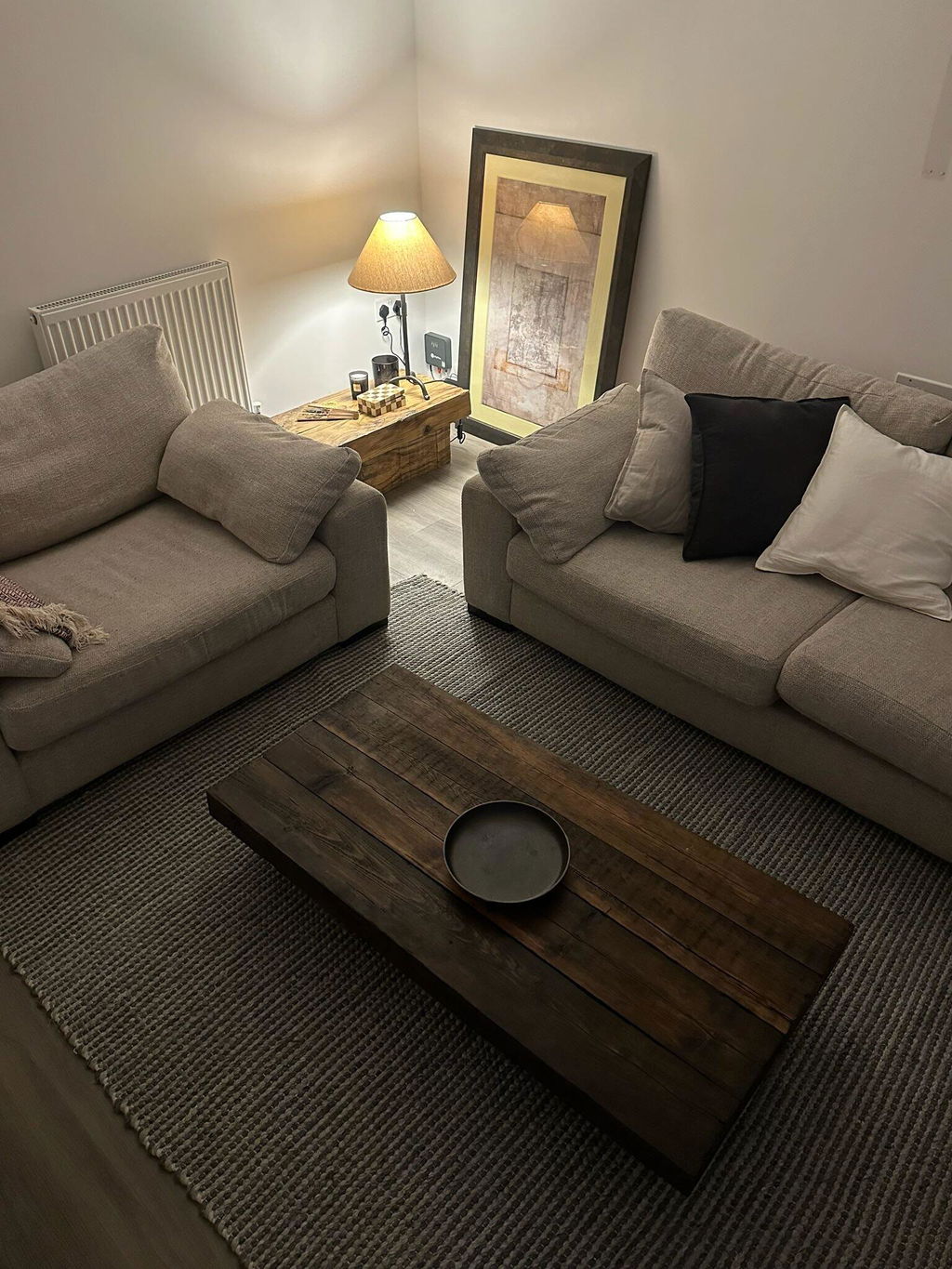
For darker accent colours, use them on a single feature wall rather than all four surfaces. Or bring them in through furniture and textiles instead. A Stone grey linen sofa introduces depth and richness without absorbing light from the walls and ceiling, which should do the heavy lifting.
Furniture Placement: Stop Blocking Your Light
The most common mistake in dark rooms is furniture blocking the light path between window and room. Large upholstered pieces, tall bookcases, and bulky storage units placed near windows act as walls, stopping light before it reaches the rest of the space.
The principle is straightforward: keep the line between your windows and the opposite wall as clear as possible. If a sofa must sit near a window, choose a low-profile design with a slim silhouette. A skirted linen sofa with a low back (around 80 to 82cm) allows significantly more light over and around it than a high-backed traditional design.
Bookcases and storage should sit on walls adjacent to the window, not opposite it. If they must go on the window wall, use open shelving rather than solid-backed units. Light passes through open shelves; a solid bookcase creates a shadow.
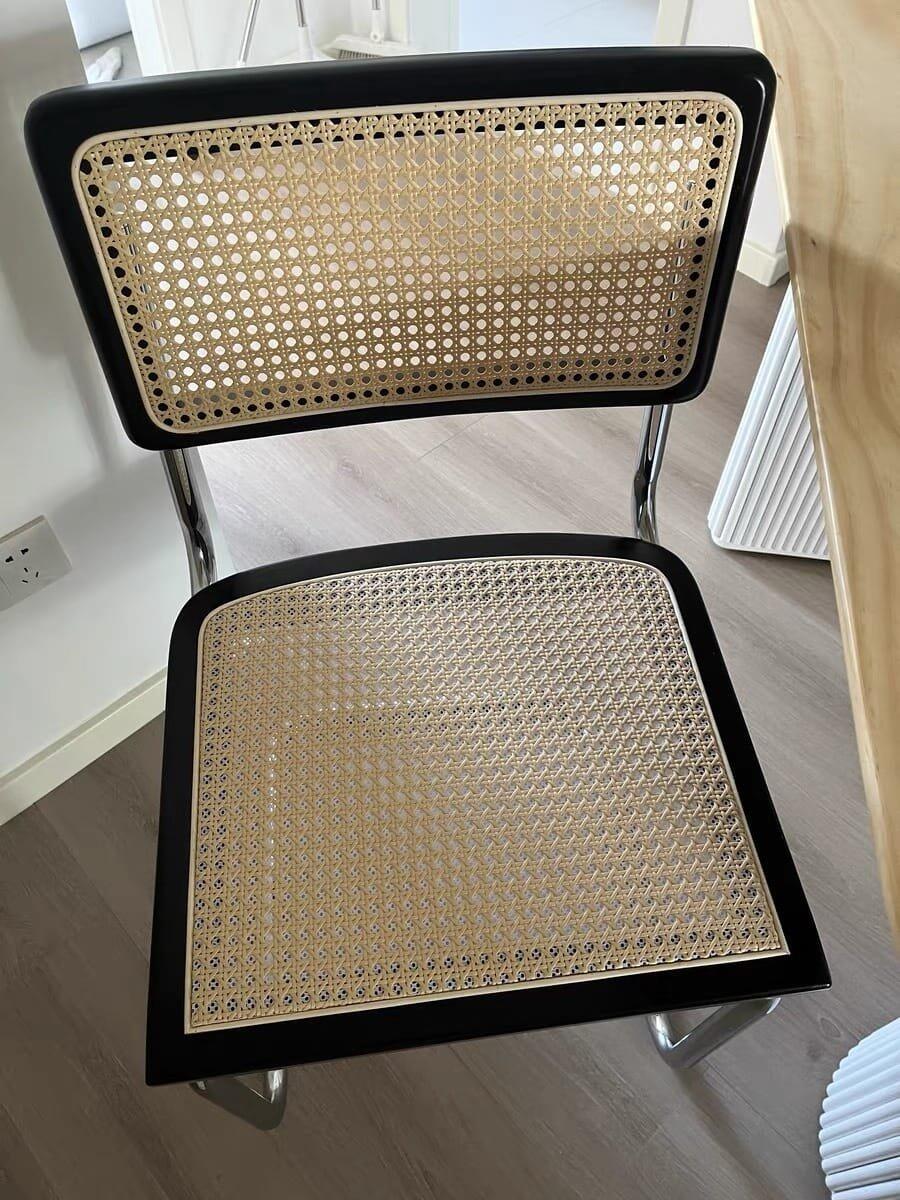
In small living rooms, furniture with visual transparency makes a significant difference. A glass or metal coffee table allows light to reach the floor. An open-frame side table with a magazine rack lets light pass through where a solid cube table would block it. These are not dramatic changes individually, but together they shift the overall feel of the room from heavy to open.
Furniture finish matters too. Light-toned timber (oak, ash, birch), white-painted furniture, and pieces with reflective metal frames all contribute to the room's brightness. Dark walnut, mahogany, and heavily stained wood absorb light. In a room that already struggles for natural light, every surface is either helping or hurting.
Flooring and Soft Furnishings
Floors are the largest horizontal surface in any room, and their colour and finish affect light more than most people realise.
Light-toned wood floors (natural oak, whitewashed pine, pale ash) reflect light upward, lifting the overall brightness of the room. Dark-stained floors absorb it. If replacing flooring is not an option, a large light-coloured rug achieves a similar effect across the seating area. A natural jute, sisal, or pale wool rug beneath the sofa reflects light from the floor level up, particularly in rooms where the main window is on the same wall as the seating.
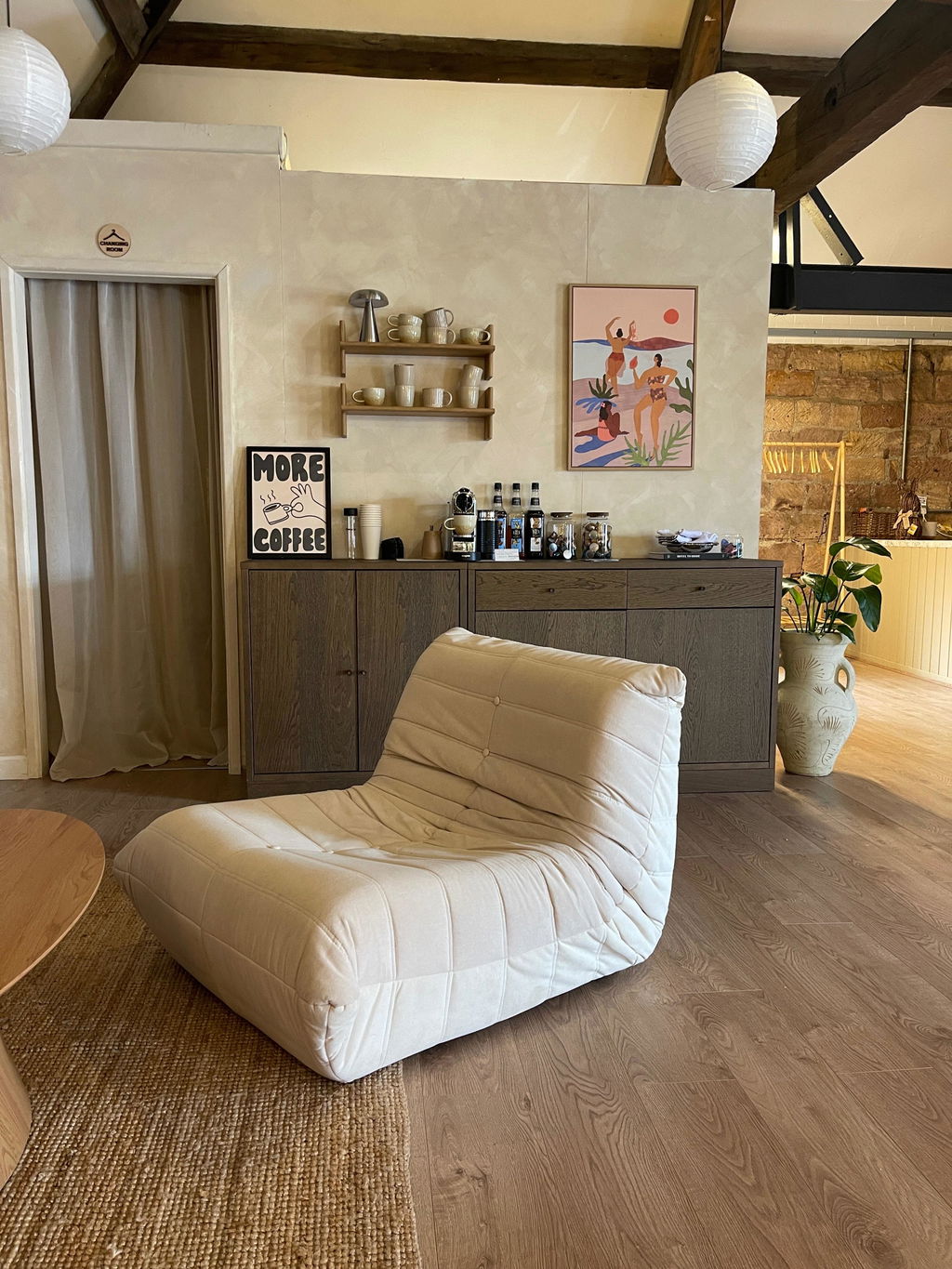
Upholstery colour plays the same role at mid-height. A sofa in a lighter tone (cream, oatmeal, soft grey) reflects more light than one in charcoal or navy. This does not mean everything needs to be pale, but in a room where natural light is limited, the sofa is the single largest textile surface and its colour shifts the balance measurably. A Milk White linen sofa in a north-facing room works harder for the light than the same design in a darker colourway.
Cushions and throws in lighter, natural fabrics continue the effect. Linen, washed cotton, and light wool all have a soft, matte reflectivity that contributes without creating glare.
Artificial Lighting That Supports Natural Light
Even the brightest rooms need artificial lighting once the sun moves on. The goal is to create a lighting scheme that feels like a natural continuation of daylight, not a harsh replacement for it.
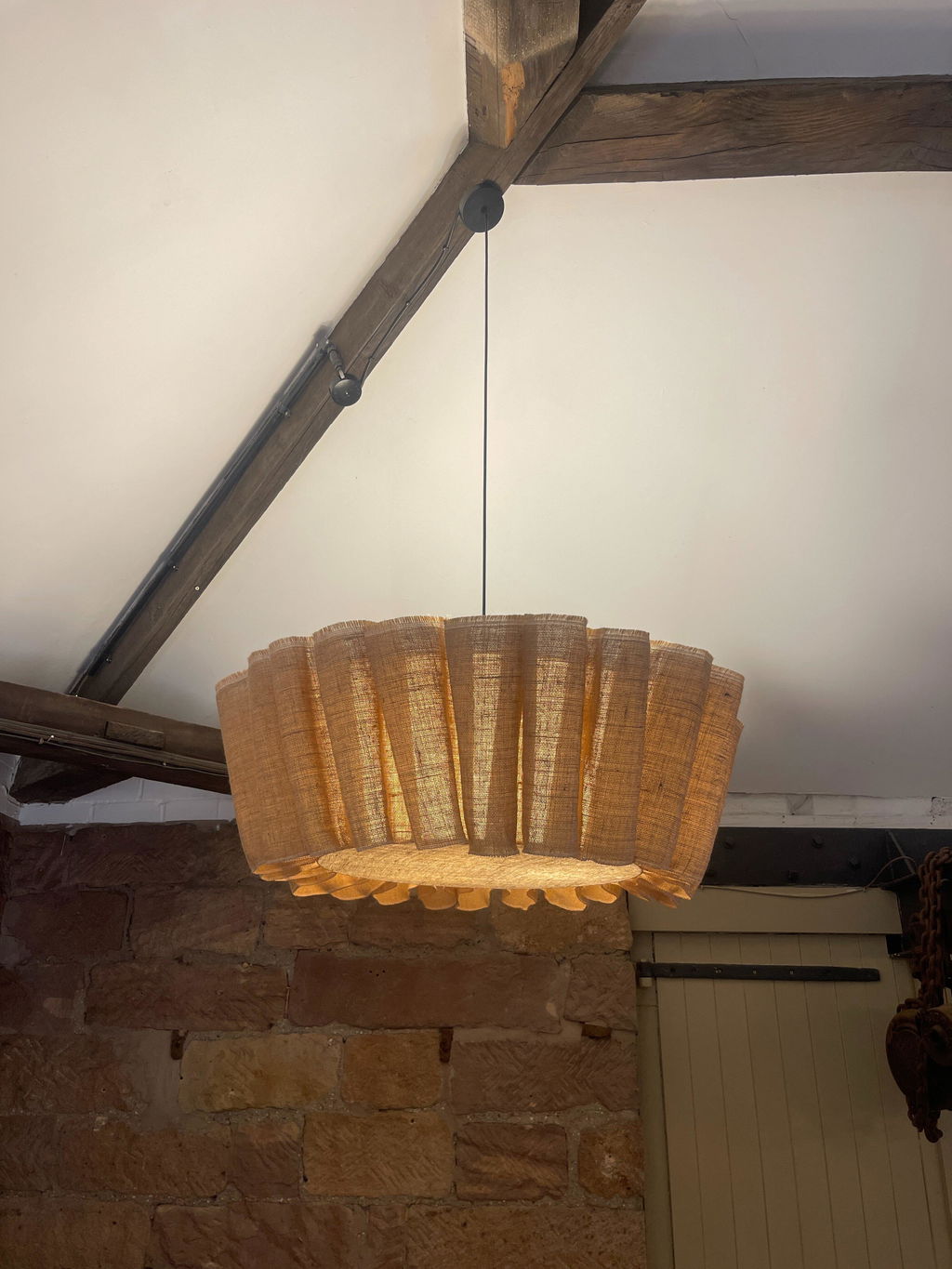
Layer your lighting across three levels: ambient (ceiling or overhead), task (desk lamps, reading lamps), and accent (table lamps, floor lamps). A single overhead light flattens a room. Multiple light sources at different heights create depth and warmth that feels closer to how natural light behaves.
Warm white bulbs (2700K to 3000K) most closely replicate the quality of natural light. Cool white or daylight bulbs (4000K+) are efficient but create a clinical feel in living spaces. Use warmer tones in living rooms, bedrooms, and dining areas.
Position floor lamps and table lamps where they can pick up where natural light leaves off. A chrome floor lamp beside a sofa catches and reflects the last of the evening light, then provides its own warm glow as darkness falls. The reflective finish works in both directions: it amplifies daylight during the day and distributes lamplight in the evening.
Frequently Asked Questions
How can I brighten a dark room without painting?
Start with mirrors. A large mirror opposite the window is the single most effective change. Then look at your window treatments (swap heavy curtains for sheers), your furniture placement (move anything blocking the light path from the window), and your soft furnishings (lighter-toned cushions, throws, and rugs reflect more light than dark ones). Together these changes can transform a room without touching the walls.
Do mirrors really make a room brighter?
Yes, measurably. A mirror reflects light in the same way a second window would. The effect is strongest when the mirror is placed directly opposite a window, where it catches and redirects incoming sunlight across the room. Larger mirrors have a greater effect than small ones.
What is the best wall colour for a dark room?
Warm white or cream. Pure brilliant white reflects the most light but can feel cold in rooms with limited natural light. A warm white with subtle yellow or pink undertones reflects nearly as much light while adding warmth. Light grey works in rooms with moderate natural light but can lean cold in darker north-facing spaces.
Does furniture colour affect how bright a room feels?
Significantly. The sofa is usually the largest piece of furniture in a living room, and its colour determines how much light the room retains at mid-height. A light-toned sofa (cream, oatmeal, pale grey) reflects light back into the room. A dark sofa absorbs it. The same applies to coffee tables, side tables, and shelving units.
How do I maximise light in a north-facing room?
North-facing rooms receive indirect, cool light all day. Use warm white or cream paint on all walls, keep window treatments minimal (sheers or light-filtering blinds), place a large mirror opposite the window, choose light-toned furniture and flooring, and use reflective metal finishes on lamps and side tables to scatter what light is available across the room.
Shop the Light
Explore the Fjord & Fuji lighting collection for chrome and brushed metal floor lamps and table lamps designed to work with natural light. Pair with the Wabi Linen Sofa in Milk White for a living room that stays bright from morning through evening.