
Styling sofa cushions well is one of those things that looks effortless when done right and noticeably off when not. Most people either under do it (two matching cushions, dead centre) or overdo it (twelve cushions in five colours that fight each other). Getting it right takes a few straightforward principles, and once they click, the whole process becomes instinctive.
This guide covers everything from how many cushions to use to which textures and patterns sit well together, with product suggestions drawn from our latest arrivals. Whether you are styling a two-seater or a larger sectional, the principles are the same.
Start with an odd number
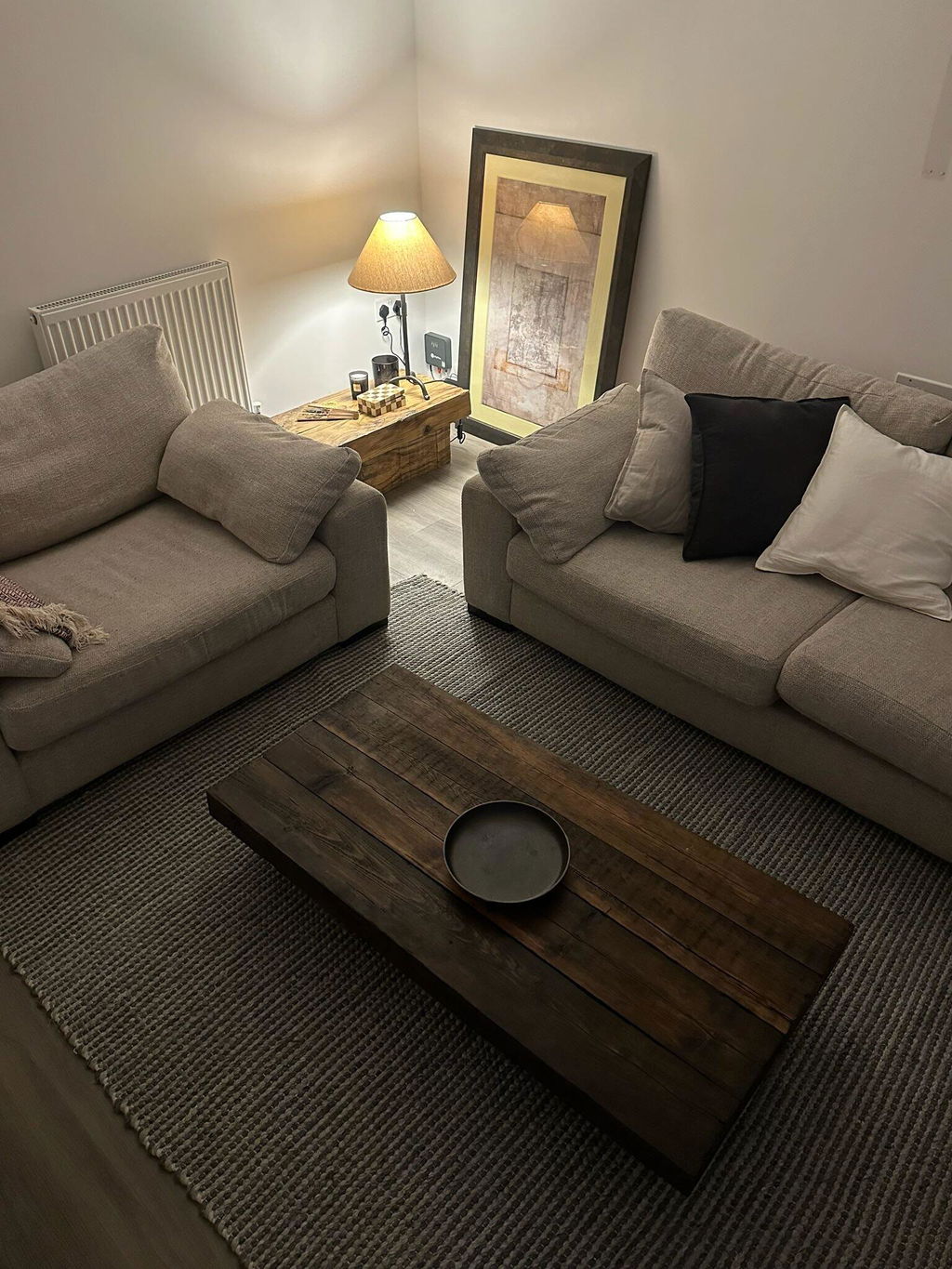
This is the rule most interior stylists rely on, and it holds for good reason. Odd numbers create a natural asymmetry that reads as considered rather than symmetrical to the point of rigidity. For a two-seater sofa, three cushions work well. For a three-seater, five is usually the sweet spot. You can break this rule once you understand it, but start here.
A common mistake is centring one cushion and flanking it with two identical ones. This creates perfect symmetry, which tends to feel corporate. Instead, offset your arrangement slightly: two on one side, one on the other, or a cluster of three towards one end with open space on the other.

Use texture as your foundation
Before you think about colour or pattern, think about texture. A sofa styled using a single fabric throughout will always look flatter than one with layered textures, even if the colours are identical. Texture is what gives a cushion arrangement depth and makes it photograph well.
Linen is a good starting point because it has a natural weave that catches light differently depending on the time of day. Our Sumi Fringed Linen Cushion Covers bring that quality along with a fringe edge that adds a tactile dimension without competing with anything else on the sofa. They come in chocolate and olive, both of which sit well against neutral upholstery.
Against linen, introduce something with more structure: a herringbone weave, a chenille, or a woven jacquard. Our Kohi Herringbone Cushion Cover in caramel has a dense, velvety hand that reads warmer and weightier than the linen beside it. The two together create a contrast that reads as intentional rather than mismatched.

Build a tonal colour palette
The safest approach to colour is to stay within a tonal range: different shades of the same colour family, or a palette of closely related warm neutrals. This is the principle behind most well-styled Japandi and Scandi interiors, where you will rarely see a strong colour contrast between cushions.
A palette that works consistently: warm whites and creams as a base, built up with caramel, chocolate, and olive tones. These colours share an underlying warmth that keeps them coherent. The Edo Cushion Cover in Maillard brown sits within this palette while adding something more decorative: a richly woven branch motif with subtle gold and burgundy notes that give it presence without disrupting the overall tone.
If you want to introduce a cooler note, olive green reads as a natural, earthy bridge between warm and cool. It shares enough of the warm palette to avoid clashing while giving the arrangement a point of contrast. For more on pulling a complete look together around a linen sofa, our post on how to style a linen sofa covers the wider picture.

Vary the sizes
Using cushions of the same size throughout is another version of the matching-cushion mistake. Varying sizes adds hierarchy to the arrangement and makes it easier to organise your layers.
A practical combination for a three-seater sofa: two larger cushions (60x60cm) at the back, two medium cushions (50x50cm) in front of them, and one smaller or more decorative piece (45x45cm) at the front. The taper from back to front gives the arrangement structure and makes the sofa look properly dressed rather than randomly scattered.
Most of our cushion covers sit at 45x45cm, which works well as a front-row cushion or as the primary size on a two-seater. If you are working with a larger sofa, consider sourcing some inserts at 60x60cm to use as the back row, with your 45x45cm covers stepping forward from there.

Add a pattern, but anchor it
Pattern is where most people lose their nerve. The instinct is to keep everything plain to avoid the risk of clashing, which results in arrangements that feel flat. One or two patterned pieces, properly anchored within a tonal palette, will always lift a sofa.
The key to making a pattern work is to pick up at least one of its colours in the plain cushions around it. If the pattern contains caramel, chocolate, and gold, your plain cushions should draw from those same tones. This is exactly how the Ichi Geometric Cushion Cover works within a warm-neutral palette: the tessellated geometric pattern in walnut brown has enough structure to read as a focal point, but the colour sits comfortably within the tonal range around it.
Similarly, the Edo Cover uses a branch motif that reads as decorative and considered. Place it at the front of your arrangement, against plainer linen covers behind it, and it becomes the natural focal point without overpowering anything.
Think in rows: back, middle, front
A well-styled sofa arrangement typically has a logic to it when you look from back to front. The back row holds the larger, plainer pieces that provide the backdrop. The middle row introduces texture and variation. The front row is where your most decorative or interesting piece goes, because it catches the eye first.
This front-to-back thinking also makes the sofa more practical. You can pull the front cushions off when you sit down without dismantling the whole arrangement, and the back cushions provide actual support rather than just decoration.
For a two-seater, you are working with less space, so simplify: one textured pair at the back, one patterned or focal piece at the front. That is three cushions, placed with intention, which is almost always better than five cushions placed without one.

Match the cushions to the sofa, not the room
A mistake worth naming directly: choosing cushions to match the room rather than the sofa. The sofa is the canvas; the room is the context. Your cushion palette should work with the upholstery first, and the room will usually follow.
On a light linen sofa such as the Wabi Linen Sofa in Milk White, the full warm-neutral palette of caramel, chocolate, and olive works because it reads as earthy contrast against the pale upholstery. On a darker sofa, you might reverse the logic: lighter cushions at the front, with one or two deeper tones to bridge the gap.
The principle is contrast and cohesion simultaneously. Your cushions should stand out enough to be noticed and harmonise well enough not to clash. Tonal palettes achieve this more reliably than bold colour contrasts, which tend to date quickly.


Shop the look
All cushion covers below are available now and sized at 45x45cm. Mix and match across textures and patterns to build your arrangement.
- Sumi Fringed Linen Cushion Covers, Olive, Set of 2 from £50
- Kohi Herringbone Cushion Cover, Caramel from £80
- Edo Patterned Cushion Cover, Maillard Brown from £50
- View all new arrivals
Frequently Asked Questions
How many cushions should you put on a sofa?
For a two-seater sofa, three cushions is a good starting point. For a three-seater, five tends to work well. The key is to use an odd number and arrange them asymmetrically rather than centring them in a perfectly symmetrical row.
Should sofa cushions match each other?
Not exactly. Cushions that match too precisely tend to look flat. A better approach is to use cushions that share a tonal colour palette but differ in texture, size, or pattern. This creates cohesion without rigidity.
What size cushions look best on a sofa?
A mix of sizes works better than uniform sizing. Larger cushions (60x60cm) work well at the back, with medium (50x50cm) and smaller (45x45cm) cushions layered in front. If you are working with a two-seater, 45x45cm is a practical primary size.
How do you style cushions on a two-seater sofa?
Keep it simple. Two cushions at the back and one at the front is enough. Use a plain textured pair behind and a more decorative piece at the front. Offset them slightly rather than centring everything, and the arrangement will look considered rather than sparse.
What fabric is best for sofa cushion covers?
Linen is one of the most versatile choices: it has a natural texture, ages well, and complements most upholstery. Woven fabrics such as herringbone chenille and jacquard add structure and depth when layered alongside linen. Avoid fabrics that are too glossy or synthetic-feeling if the goal is a warm, lived-in aesthetic.