
Japandi vs Quiet Luxury: What's the Difference?
Japandi vs quiet luxury is a question worth getting right: the two aesthetics have arrived at a similar place from very different directions. Both favour muted palettes. Both reject maximalism. Both appeal to buyers who associate restraint with quality. But the two aesthetics are not the same thing, and specifying one when you mean the other produces interiors that feel slightly off in ways that are hard to articulate but immediately felt by anyone who lives or stays in them.
The distinction matters most in hospitality and commercial interiors, where the choice of aesthetic communicates something specific to guests about the kind of experience they are paying for. Understanding the difference between japandi vs quiet luxury is not an academic exercise; it is a practical specification decision.


Where they come from
Quiet luxury emerged from fashion, specifically from the moment in the early 2020s when a handful of heritage brands, Loro Piana, The Row, Brunello Cucinelli, began dominating cultural conversation by doing the opposite of streetwear. No logos, no noise, no spectacle. Just exceptional materials and the confidence that the person who understood quality would recognise it without being told.
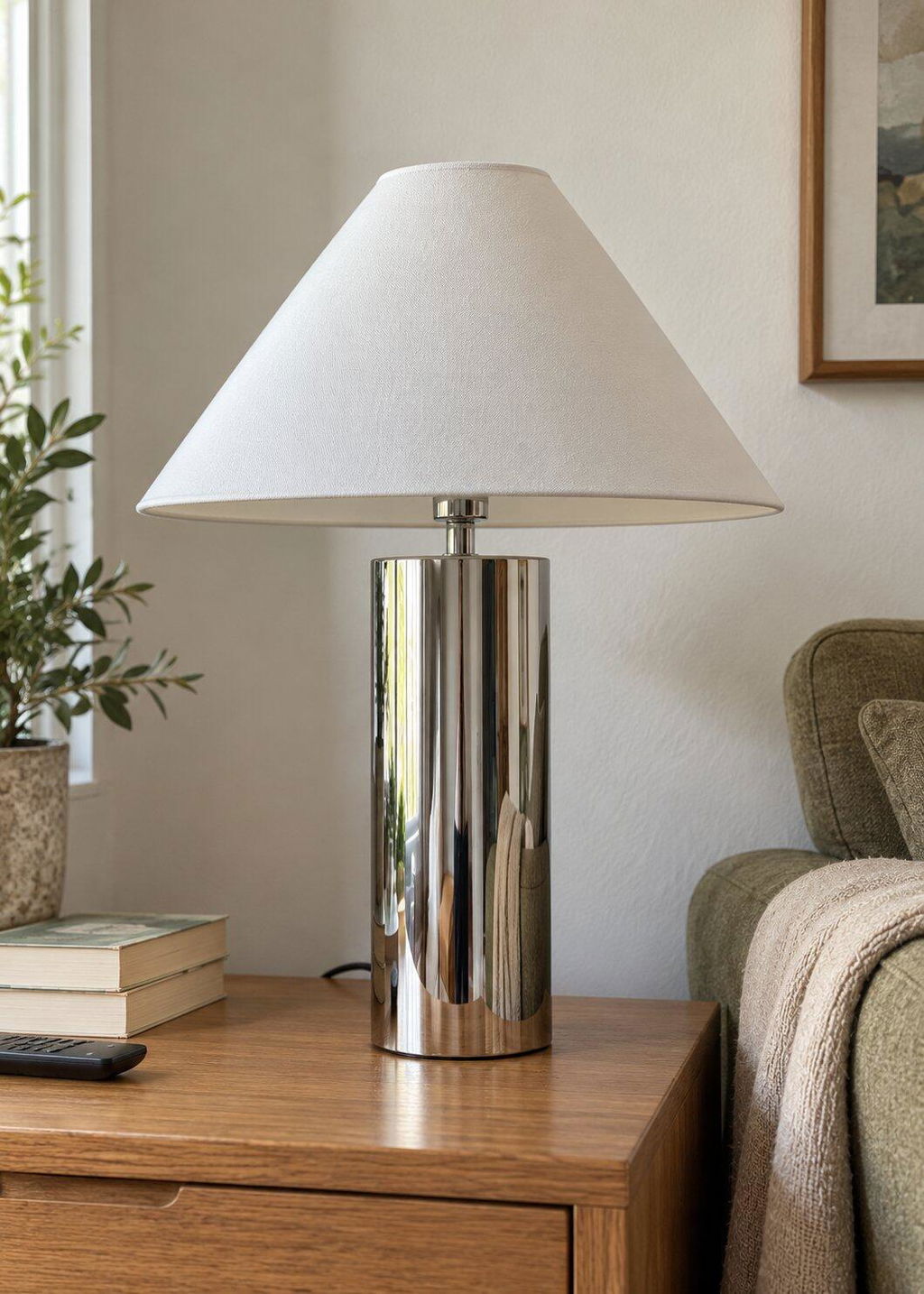
That sensibility translated quickly into interiors. Quiet luxury rooms are typically characterised by a neutral palette running from off-white to camel to deep charcoal, cashmere and bouclé upholstery, lacquered or highly polished surfaces, and a general sense of expensive restraint. The references are European: Milanese apartments, Parisian hotels, the kind of London townhouse that has been quietly perfect for forty years.
Japandi is something else entirely. It emerged from a genuine cross-cultural conversation between Japanese wabi-sabi aesthetics and Scandinavian design philosophy. Wabi-sabi is the Japanese worldview that finds beauty in imperfection, impermanence and incompleteness. A hand-thrown ceramic bowl with an uneven rim is not a flawed object; it is a more honest one. Scandinavian design brings functionalism, an emphasis on craftsmanship at a human scale, and a preference for natural materials that age visibly and well. The two traditions share enough common ground, a preference for simplicity, an aversion to ornament, a respect for material integrity, that their combination is coherent rather than forced.

Japandi vs quiet luxury: how they look
At a glance, Japandi and quiet luxury can appear almost identical. Both use muted, neutral colour palettes. Both favour natural materials over synthetic ones. Both leave significant negative space rather than filling every surface. Both read as calm and considered rather than busy or decorative.
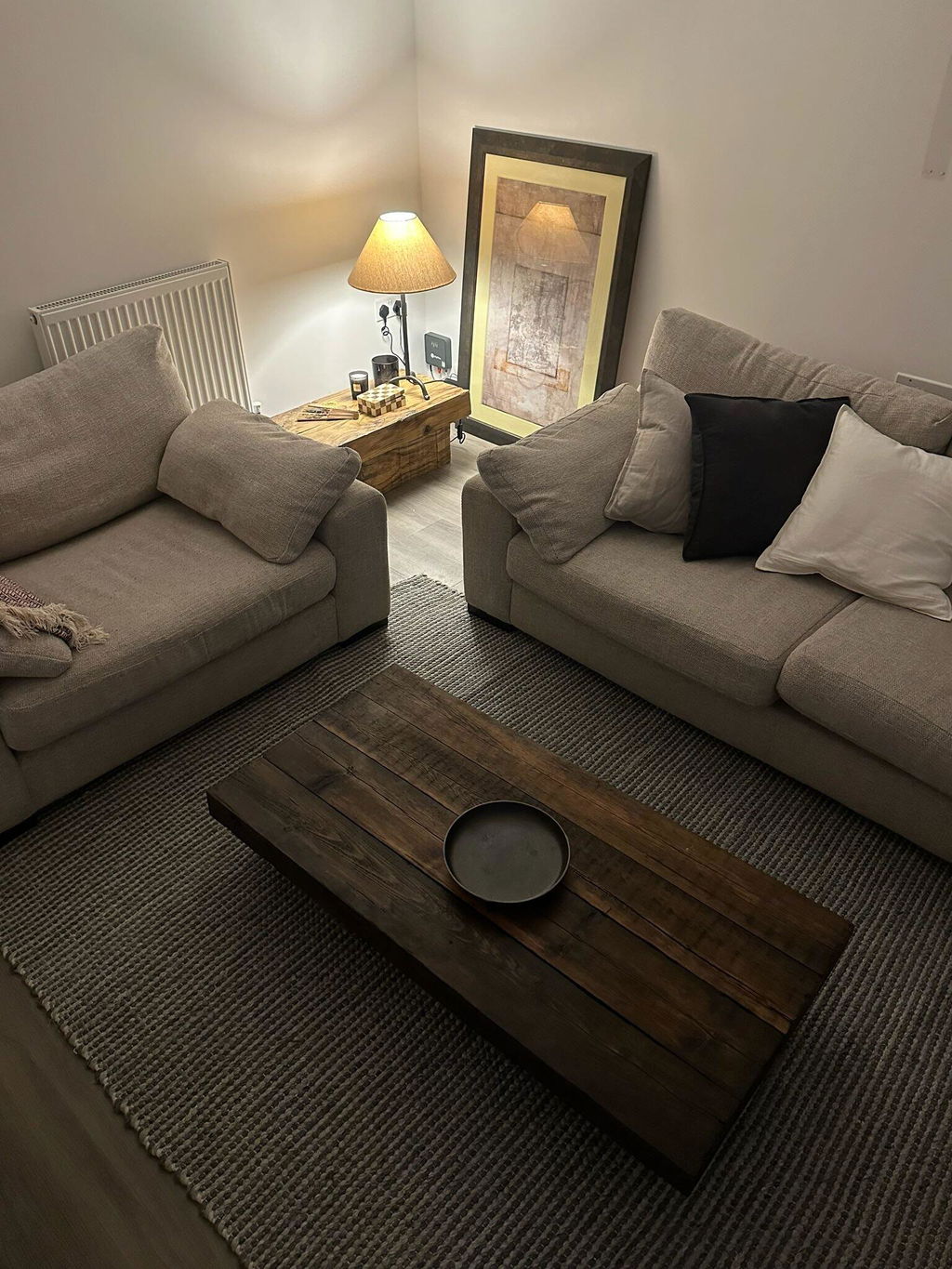
The shared palette is the main source of confusion. Both aesthetics work in warm whites, creams, greiges, taupes and soft earthy tones. Neither reaches for bright colour as a primary design tool. In a photograph with no context, a quiet luxury bedroom and a Japandi bedroom might require expert scrutiny to distinguish.
In person, and in the experience of living or staying in them, they feel entirely different.
The fundamental difference: perfection versus imperfection
Quiet luxury aspires to flawlessness. Every surface is considered for its evenness, its finish, its precision. A quiet luxury dining chair has perfectly matched grain, a lacquered leg with no visible brush marks, upholstery pulled so taut there is not a crease in the fabric. The message is control: this is a space where everything has been brought to its highest possible standard and maintained there.
Japandi actively includes imperfection. A hand-thrown ceramic plate with an uneven rim is the correct choice, not the compromise. A linen sofa that creases when you sit on it is doing exactly what it should. A woven hemp pendant that casts an irregular shadow pattern on the ceiling is more beautiful for the irregularity. The message is acceptance: this is a space that acknowledges the nature of materials and finds it sufficient.
This is not a subtle distinction. It changes everything about how you specify. The Mura Hand-Thrown Ceramic Plate with its deliberately uneven rim is a Japandi piece. A perfectly cast, uniformly glazed porcelain plate is a quiet luxury piece. Both are beautiful. Neither is wrong. But they communicate entirely different values to the guest eating from them.

Materials: natural versus refined
Quiet luxury uses natural materials, but in their most refined forms. Cashmere rather than wool. Marble rather than stone. Polished bronze rather than brushed steel. The material is elevated through processing until its origins are partially obscured by its perfection.
Japandi uses natural materials in forms closer to their origin. Solid oak with visible grain rather than lacquered veneer. Linen with its characteristic slight irregularity rather than pressed cotton. Woven hemp with its natural variation in tension and colour rather than a uniform synthetic weave. The material is allowed to remain itself.
For hospitality buyers, this has a practical implication. Japandi materials tend to age better in commercial use because they were not refined to a standard that can be visibly compromised. A linen sofa develops character with use. A cashmere throw shows wear. The Wabi Linen Sofa in Stone looks as right on its five hundredth use as it did on its first. A quiet luxury equivalent requires more active maintenance to hold the standard it was purchased at. For the finish-level decisions behind each of these natural materials, our guide to wabi-sabi in commercial design works through them surface by surface.

Warmth versus coolness
Quiet luxury rooms often read as cool, even when the palette is technically warm. The precision and evenness of the finishes create a controlled environment where everything is in its place and nothing is out of order. This is part of the appeal for a certain kind of guest: the sense that someone has absolute command of the space.
Japandi rooms read as warm. Not in temperature but in register: the materials invite touch, the imperfections signal human presence, the negative space feels considered rather than empty. A guest walking into a Japandi bedroom feels welcomed by the room in a way that a quiet luxury bedroom, however beautiful, does not always achieve.
For boutique hotels and short-let operators, this distinction is commercially significant. Guest reviews consistently use the language of warmth and homeliness for properties that perform well. Japandi's material philosophy produces those qualities structurally; quiet luxury requires more deliberate intervention to achieve them.

Which one is right for your property
The honest answer is that it depends on what your guests are paying for and who they are.
Quiet luxury is the right choice for a property positioning at the very top of its market: a luxury townhouse, a high-end boutique hotel in a major city, a property where the rate and the clientele both expect perfection as the baseline. The maintenance requirements are higher, the specification costs are higher, and the aesthetic communicates status clearly to guests who are motivated by status.
Japandi is the right choice for a property that wants to deliver an exceptional experience at a strong price point without requiring the maintenance burden or the capital outlay of quiet luxury. It is also the right choice for any property that wants to feel like a genuinely considered place rather than a premium product. The distinction matters to a growing segment of guests, particularly in the boutique hotel and short-let market, who are specifically looking for authenticity over luxury signalling.
For most boutique hotels and independently operated short-lets in the UK, Japandi will outperform quiet luxury on the metrics that matter: review scores, return guest rates, and the quality of the listing photography that drives initial bookings. Its accessibility does not diminish it. It is simply a different proposition, one that has more genuine philosophical content than quiet luxury and ages better for it.

Combining the two
The most sophisticated hospitality interiors in 2026 are not choosing one or the other but drawing from both where each is strongest. Japandi provides the material foundation: natural, tactile, imperfect. Quiet luxury provides the edit: every object genuinely considered, nothing present by default, a restraint that is felt rather than seen.
The Aki Rattan Cane Lounge Chair alongside a single, perfectly positioned Cognac Step Vase is this combination in practice: wabi-sabi craftsmanship with quiet luxury curation. The Kose Fabric Floor Lamp providing soft diffused warmth in a room where every other surface has been edited to nothing is the same principle applied to lighting. The instinct comes from quiet luxury. The material comes from Japandi. The result is something better than either alone.

For more on specifying Japandi for commercial interiors, our boutique hotel buyer's guide covers the full specification process in detail. For those furnishing a short-let or holiday let, the same principles apply at a different scale.

Shop the edit
Pieces that sit at the intersection of Japandi and quiet luxury curation, available now.
- Wabi Linen Sofa Two Seater, Stone from £2,300
- Aki Rattan Cane Lounge Chair from £340
- View all new arrivals
Frequently Asked Questions
What is the difference between Japandi and quiet luxury?
Both aesthetics use muted palettes and natural materials, but their philosophies differ fundamentally. Quiet luxury aspires to perfection: flawless finishes, refined materials, controlled precision. Japandi embraces imperfection: hand-thrown ceramics with uneven rims, linen that creases, woven textures with natural variation. Quiet luxury communicates status through restraint. Japandi communicates a different set of values: acceptance of material nature, warmth, and authenticity.
Is quiet luxury the same as minimalism?
Not quite. Minimalism is primarily a formal principle about reducing elements to the essential. Quiet luxury is as much about material quality and status signalling as it is about reduction. A minimalist room might use cheap materials deliberately; a quiet luxury room never would. Japandi shares more with minimalism philosophically but adds a warmth and material specificity that strict minimalism often lacks.
Which aesthetic is better for a boutique hotel?
Japandi typically outperforms quiet luxury in boutique hotel settings for most price points. Its materials age better under commercial use, its warmth translates into stronger guest review scores, and its authenticity resonates with the segment of travellers specifically seeking boutique experiences over branded luxury. Quiet luxury is more appropriate at the very top of the market, where guests expect and can maintain the standard of finish it requires.
Can you mix Japandi and quiet luxury?
Yes, and the results are often stronger than either approach alone. Use Japandi for the material foundation: natural textiles, handmade ceramics, woven textures. Apply quiet luxury principles to the curation: fewer objects, more considered placement, nothing present by default. The combination produces spaces that feel both warm and precise, which is difficult to achieve with either aesthetic in isolation.
Is Japandi still relevant in 2026?
Yes. Unlike trend-dependent aesthetics, Japandi is grounded in a genuine philosophical tradition rather than a moment in fashion. Wabi-sabi and Scandinavian functionalism are not going anywhere, and the material choices they produce: solid wood, natural textiles, handmade ceramics, age well and do not date in the way that trend-led colour palettes or pattern choices do. The aesthetic may evolve, particularly through the emergence of darker, moodier interpretations, but its core principles remain as relevant as they have ever been.