
A dining table is the only piece of furniture in most homes that regularly brings everyone to the same surface. It is where meals happen, conversations run long, homework gets done, and weekend mornings stretch out over coffee and toast. How you style a dining table determines whether it feels like a surface you eat at or a place you want to sit down at, which are not the same thing.
The challenge is that a dining table needs to work in two modes: everyday (functional, unfussy, easy to clear) and entertaining (considered, atmospheric, worth noticing). The best dining table styling does both without requiring a complete reset between Tuesday dinner and Saturday night with friends.
This guide covers how to style a dining table for daily use and for occasions, the objects that earn their place on the surface, and the common mistakes that turn a table from inviting to cluttered.
The Everyday Table: Keep It Simple, Keep It Ready
An everyday dining table should look considered without looking set. You are not laying a formal table every morning. You are creating a surface that reads as intentional even when nothing is happening on it.
The simplest approach is a low centrepiece that stays put between meals. This gives the table a focal point without getting in the way of serving dishes, elbows, or conversation. A single candle holder, a small vase with one stem, or a shallow dish used as a catch-all for salt, pepper, and a napkin fold. One object, positioned slightly off-centre, is enough to prevent the table from looking abandoned between meals.
A ceramic candlestick holder from the Bare Collection works well in this role. At 7cm tall, it sits below the sightline of anyone seated, so it never interrupts conversation. The raw, handmade finish gives the table a quiet point of interest without competing with whatever is served on it.
For larger tables (seating six or more), a runner or a tray down the centre creates a defined zone for the centrepiece and prevents objects from drifting. The tray also makes clearing for meals faster: lift the tray, set the table, replace when done.

Choosing Tableware That Does the Styling for You
The plates, bowls, and mugs you use every day are not just functional objects. They are the most visible elements on the table when the table is in use, which means they carry more styling weight than any centrepiece or candle.
Handmade tableware changes the feel of a table entirely. The slight variations in shape, the uneven glaze, the visible marks of the maker's hand. These qualities turn a table setting from uniform to individual. Two handmade ceramic plates will not be identical, and that inconsistency is what makes them interesting. It is the same principle as wabi-sabi in decor: perfection is less engaging than character.
For everyday use, build a core set around one or two ranges rather than mixing everything. A consistent material and colour family (raw stoneware, warm-toned ceramic, or matte glazed earthenware) creates cohesion across the table. The handmade wide bowls paired with small plates from the same collection gives you two scales of the same aesthetic, which is enough to set a table that looks pulled together without looking rigid.
Mugs and cups matter more than people think. A morning coffee served in a handmade stone mug feels different from the same coffee in a supermarket mug. The weight in the hand, the texture of the surface, the way the glaze catches the light. These details register subconsciously and contribute to the overall feeling that the table, and the meal, has been considered.


The Centrepiece: Less Than You Think
The instinct with a dining table centrepiece is to go large. A big floral arrangement, a bowl overflowing with fruit, a candelabra. But dining tables work differently from coffee tables and shelves because people sit at them, facing each other, and anything in the middle either facilitates or interrupts that connection.
The ideal centrepiece for a dining table is low enough to see over (under 20cm), narrow enough to pass dishes across, and interesting enough to notice without being so dramatic that it demands attention.
For a rectangular table (seats 4 to 6): A single low vase with one or two stems, flanked by two candle holders. The Cloud Nine Vase at 14cm holding a single dried stem, with two silver candle holders at either side, creates a simple line down the centre that adds warmth without bulk. The mix of raw ceramic and polished metal gives the arrangement material contrast at a small scale.
For a round table (seats 4): A single object in the centre works best. A Cognac Step Vase with a stem or a wooden cake stand holding fruit or bread gives the table a natural focal point. Avoid multiple objects on a round table. The geometry already provides structure, and adding too many elements clutters the centre while shrinking the usable surface for each place setting.
For a large table (seats 8+): Extend the arrangement into a line rather than a cluster. Three to five objects of varying height, spaced evenly down the centre, create rhythm without blocking sightlines. Alternate between candle holders and low vases. Leave gaps between them so dishes can be passed through.

Candles on the Dining Table
Candlelight is the single fastest way to transform a dining table from functional to atmospheric. It changes the quality of light from overhead and even to low and warm, it draws people's attention downward to the table surface, and it creates a sense of occasion even on an ordinary weeknight.
The practical rules: use taper candles rather than pillar candles on a dining table. Tapers are taller but narrower, which means they provide light at face level without taking up table surface. They also look more deliberate. A pillar candle on a dining table can read as leftover from the coffee table. A taper candle in a proper holder reads as placed with intent.
Two candle holders is the minimum for a rectangular table. Three is better for tables seating six or more. Vary the height if using different holders: a silver candle holder at one height and a blue glass candlestick at another creates visual movement along the table. The lilac and pink glass candlestick holders introduce a subtle colour accent that works particularly well against warm, neutral tableware.
Light candles 10 to 15 minutes before people sit down. This gives the wax time to soften, the flame to settle, and the atmosphere to shift before anyone notices it happening.

Setting the Table: Everyday vs Occasion
Everyday Setting
For a weeknight dinner, keep the setting to the essentials: a plate, a bowl if needed, cutlery, a glass, and a napkin. No charger plates, no side plates, no bread knives unless bread is being served. The goal is a table that feels ready without feeling formal.
Place the napkin to the left of the plate (folded simply, not sculpted) or on the plate itself. Keep cutlery tight to the plate rather than spread wide. A compact setting makes the table feel intimate even when there are only two of you at a table for six.
The tableware does the styling. If your plates have character (handmade tapered dishes with visible texture, eroded mugs with a raw finish), the setting looks considered without any additional effort.
Occasion Setting
For dinner with guests, add one layer to the everyday setting. Not three layers. One.
That layer might be: a small plate for bread or a starter. Or a second glass (wine alongside water). Or a cloth napkin where you would normally use paper. One upgrade signals intention without tipping into formality.

Add candles (as above), place a centrepiece (as above), and consider a sharing tray or two in the centre for communal dishes. Sharing food from the middle of the table is inherently more convivial than plating individually, and it gives the table a lived-in, generous feel that formal place settings cannot replicate.

The Dining Chair as Part of the Composition
Dining chairs are the vertical element of a table arrangement, and they contribute to the overall look more than people realise. A table styled beautifully but surrounded by mismatched office chairs still reads as unconsidered.
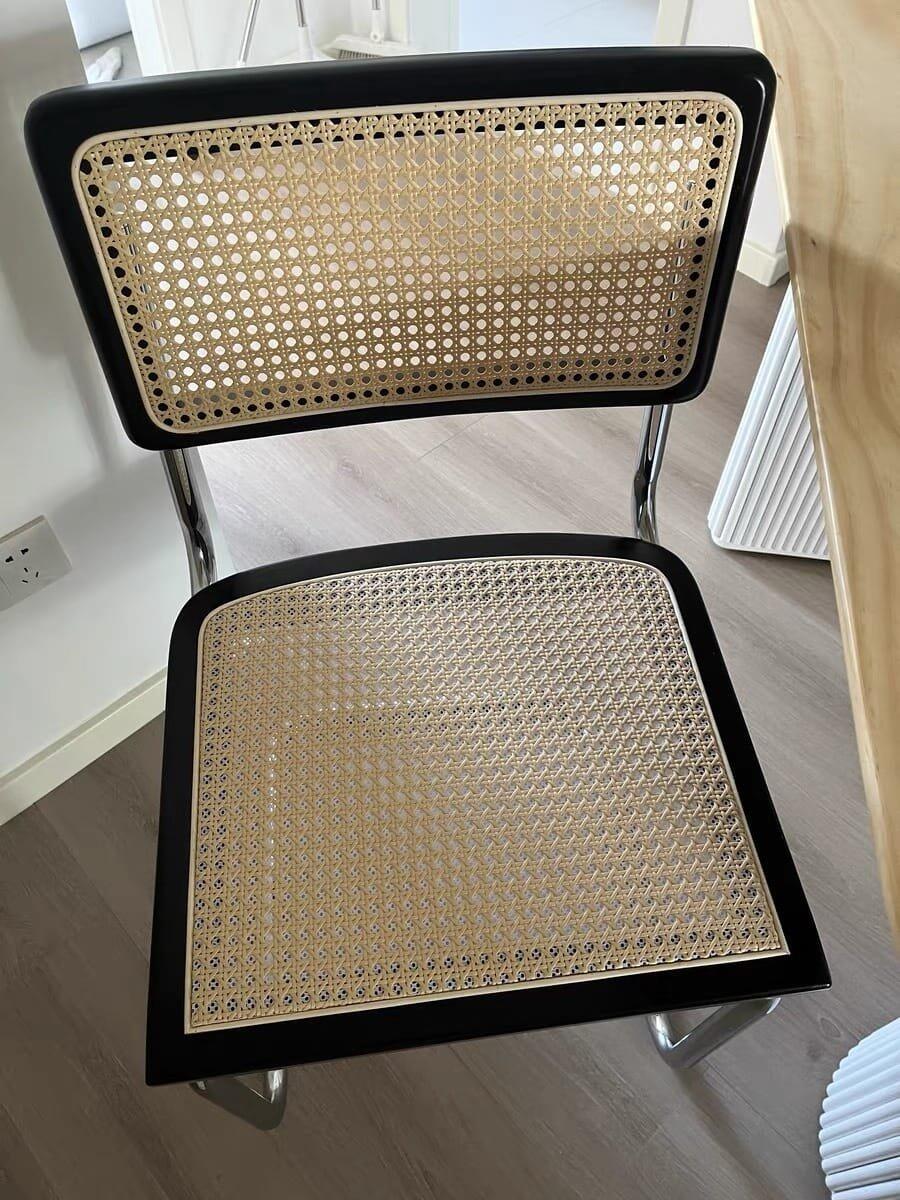
In a Japandi or Scandinavian dining space, the chairs should connect to the table's material story. A wooden table pairs naturally with rattan dining chairs, which introduce woven texture and organic warmth. A metal or glass table benefits from the contrast of steel panel dining chairs or brushed steel chairs, where the shared material family creates coherence between surface and seating. Browse the full dining chairs collection for both rattan and steel options.
Mixing chair styles (two of one kind at the heads, four of another along the sides) works if the chairs share a material or colour. It adds personality without chaos. Completely mismatched chairs, unless very deliberately curated, tend to look accidental rather than eclectic.

Seasonal Shifts
Changing the dining table with the seasons does not require new tableware. It requires small adjustments to the centrepiece and the accent objects.
Spring and summer: Fresh greenery in the centrepiece vase. Lighter candles (white or cream). Glass candlestick holders that catch daylight from the windows. If you eat outside during summer, the centrepiece transfers directly to the garden table.
Autumn and winter: Dried stems or foliage in the vase. Warmer candle colours (beeswax, honey). Swap glass for ceramic candle holders. Add a cognac-toned vase for a richer, deeper accent. The shift is about warmth and weight rather than complete transformation.

Common Mistakes
A centrepiece that blocks sightlines. If diners cannot see each other across the table, the centrepiece is too tall or too wide. Keep everything under 20cm tall, or use taper candles that are narrow enough to look past.
Too much on the table at once. A centrepiece, plus placemats, plus a runner, plus charger plates, plus side plates, plus bread baskets starts to look like a catalogue photoshoot. Edit. The surface of the table itself is part of the composition, especially if it has visible grain or texture.
Mismatched materials without a plan. A stoneware plate on a bamboo placemat on a glass table with chrome candlesticks and a ceramic vase involves five materials in a tight space. Choose two, at most three. The rest is noise.
Ignoring the table when not in use. A dining table that sits completely bare between meals looks like it is waiting for something to happen. A single object in the centre, even just a candle holder or a small vase, keeps the table looking purposeful throughout the day.
Frequently Asked Questions
What should you put in the centre of a dining table?
A low centrepiece under 20cm tall that does not block sightlines across the table. A single vase with one or two stems, flanked by candle holders, is the most effective arrangement for most tables. Alternatively, a single object like a ceramic bowl, a small plant, or a wooden cake stand holding fruit. Keep it simple and keep it low.
How do you style a dining table for everyday use?
Leave one permanent object in the centre (a candle holder, a small vase, or a tray). Set the table with your everyday tableware rather than keeping it in a cupboard. Handmade plates and bowls with visible texture make even a simple weeknight setting look considered. The key is to keep the table looking purposeful without requiring effort to maintain.
Should dining table chairs all match?
They do not need to be identical, but they should share a material or colour to avoid looking accidental. Two of one style at the heads and four of another along the sides is a common approach that adds character. Completely mismatched chairs work only when the mix is very deliberate and each chair has visual weight in its own right.
How many candles should a dining table have?
Two is the minimum for a rectangular table seating four. Three works well for tables seating six or more. Use taper candles in holders rather than pillar candles, as they provide light at face level without taking up surface space. Vary the holder height for visual interest.
What tableware works with a Japandi dining table?
Handmade ceramic and stoneware in muted, earthy tones. Look for plates and bowls with visible texture, uneven glazes, and slight irregularities that show the maker's hand. Build a core set from one or two ranges for cohesion, and avoid mixing too many colours or styles on the same table. The tableware should feel warm and tactile rather than precise and uniform.
Shop Dining and Tableware
Explore handmade tableware and candle holders in the Fjord & Fuji tableware collection, and browse the full range of rattan and steel dining chairs.
Handmade Plates | Handmade Bowls | Silver Candle Holders | Rattan Dining Chairs | Shop All Tableware