
Japandi Bedroom Ideas | A Calm, Natural Look
A Japandi bedroom is the easiest room in the house to get right, and the easiest to overfill. The style asks for a calm, uncluttered space built from natural materials, low furniture and a narrow palette, which sounds like restraint but reads as comfort. Get the balance right and the room feels like somewhere you exhale the moment you walk in. This guide covers the palette, the materials, the furniture and the lighting that make a bedroom feel genuinely Japandi rather than just beige.
What makes a bedroom Japandi
Japandi is the meeting point of two traditions that already agree on most things. Japanese design brings a love of empty space, natural materials and quiet craftsmanship. Scandinavian design brings warmth, soft textiles and a practical eye for comfort in low light. Put them together in a bedroom and you get a room that is minimal without feeling cold, and cosy without feeling cluttered.
The mistake people make is treating Japandi as a shopping list of objects. It is closer to a set of decisions about what to leave out. A bed, a chair, a lamp, one or two considered pieces, and a lot of clear surface. Everything that stays earns its place through material honesty and usefulness. If a piece is there only to fill a gap, it works against the style.
Start with the palette
Begin with soft whites, warm beiges and sandy taupes as the base, the tones that keep a bedroom feeling light and open. From there, layer in the muted earth colours that give Japandi its warmth: rich browns, greyed greens, soft clay and the occasional deep charcoal or near-black used sparingly to anchor the scheme. The green and blue tones of nature sit comfortably against warm neutrals, so a sage headboard or a muted indigo throw will feel at home rather than loud.
The rule of thumb is that the walls, bedding and larger surfaces carry the pale, quiet colours, while the darker tones appear in small, deliberate doses: a timber frame, a stoneware vase, a charcoal lampshade. If you want the moodier end of the style, our guide to dark Japandi shows how to go deeper on the palette without losing the calm. For the lighter end and the wider principles, the Japandi living room guide covers the same colour logic across a whole living space.
Choose natural materials, and let them show
Materials do most of the work in a Japandi bedroom. Warm woods, natural stone, rattan, grasscloth and linen are the core vocabulary, and the point is to let each one keep its own texture rather than painting or polishing it into anonymity. Scandinavian oak, pine and teak sit alongside the Japanese preference for cedar and cypress, all of it left with visible grain.
Texture is what stops a minimal room feeling clinical. Layers of tactile, organic material soften the clean lines of the furniture and create the cosy, inviting feel that separates Japandi from plain minimalism. A woven cane chair, a hand-thrown ceramic on the sill, a slubby linen cushion, a timber lamp base: each adds a slightly different surface, and together they make the room feel considered rather than sparse.
Keep the furniture low and few
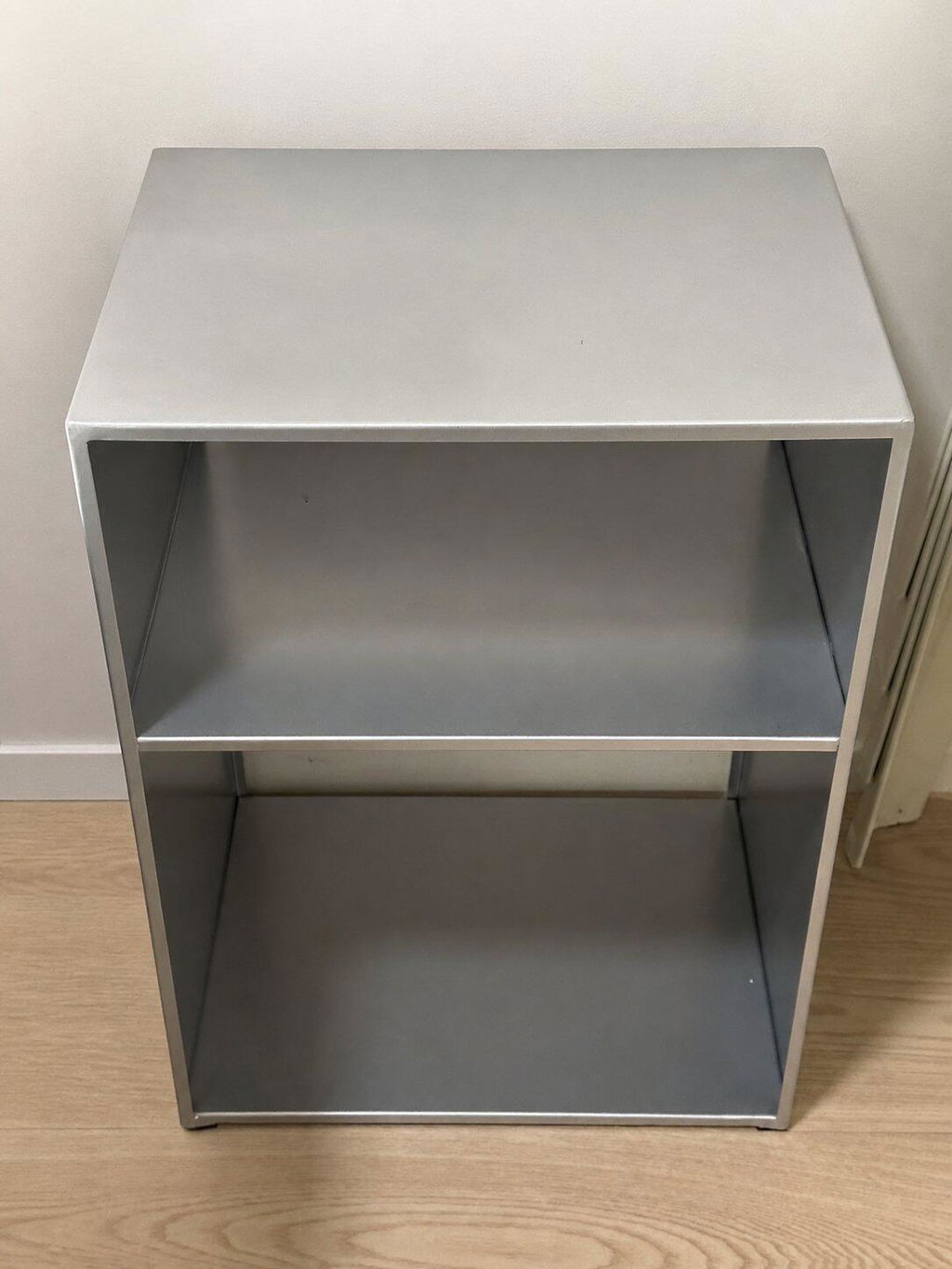
Japandi furniture sits low and takes up little visual weight. A low bed, a slim bedside table and one soft seat are usually enough. Height is what makes a bedroom feel crowded, so the lower the sightlines, the calmer the room reads, and the more the walls and the light get to do their work.
A floor-level lounge chair is the natural Japandi seat for a bedroom corner. The Yawara low lounge chair sits directly on the floor in pale wheat faux suede, its soft channelled folds low enough to keep the wall behind it open and airy. It gives you somewhere to sit and pull on shoes or read for ten minutes without adding the bulk of a full armchair.

If you would rather have a little more structure, the Aki rattan cane lounge chair offers the same low, open feel with a hand-woven cane seat and a walnut frame, which brings a second natural material into the corner. Either way, resist the urge to add a second chair. One good seat reads as intentional; two starts to fill the room.
Layer linen and quiet textiles for warmth
Bedding and cushions are where a Japandi bedroom earns its comfort. Natural linen is the ideal fabric: it creases softly, ages well and has a matte, lived-in texture that suits the palette. Keep the bed itself simple, in the pale base tones, then layer in warmth with a small number of textured cushions and a folded throw rather than a mountain of pillows.
The Sumi fringed linen cushion covers work well here, in chocolate or olive, their frayed edges and heavy weave adding the kind of tactile detail that reads instantly as considered. Two is plenty on a bed; the aim is a single quiet accent, not a display. If you tend to over-cushion, the arrangement rules in our guide to styling a linen sofa apply just as neatly to a bed.

Light it softly, not brightly
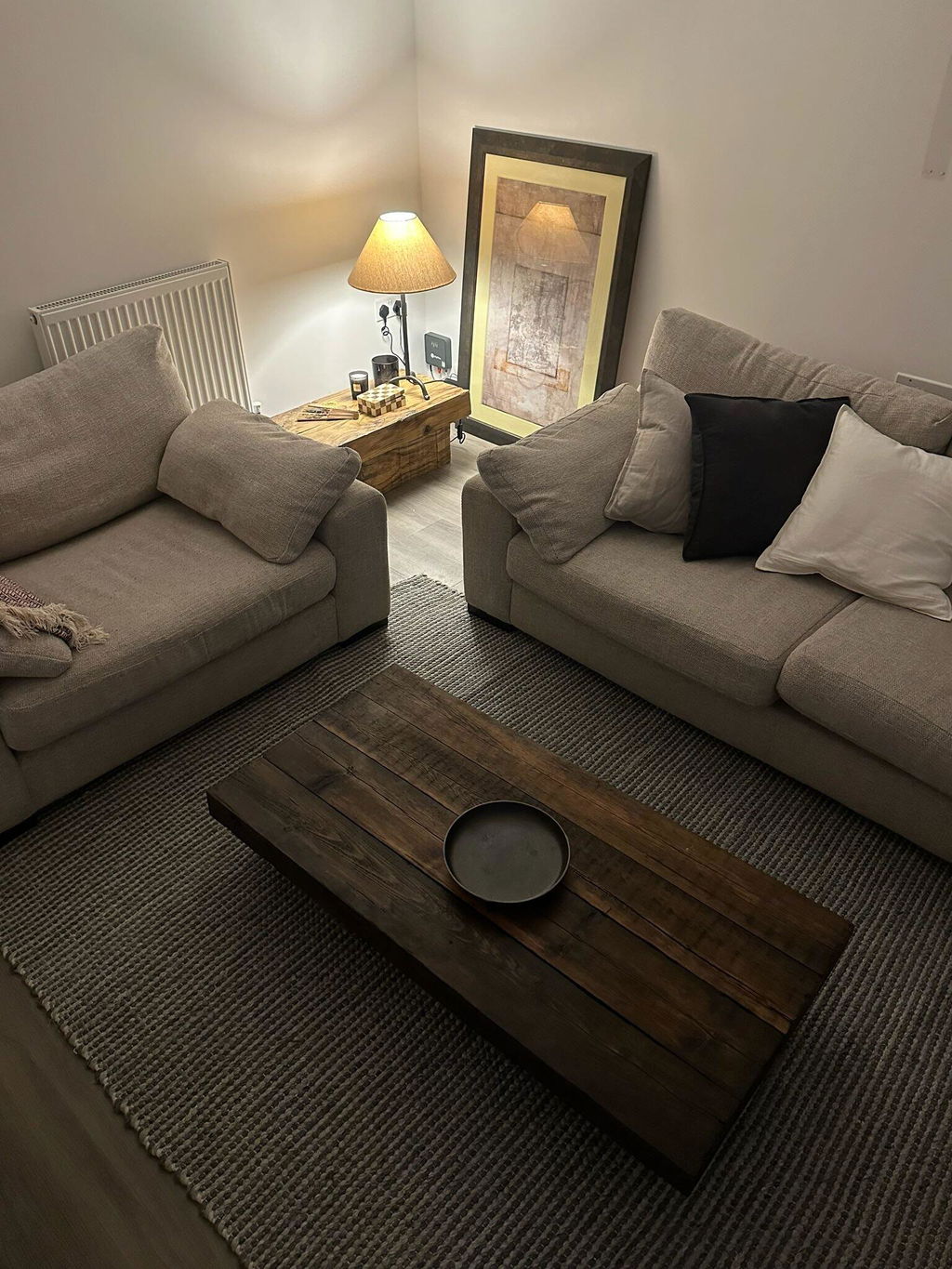
Lighting is where a bedroom either holds its calm or loses it. A single bright overhead light flattens the room and kills the atmosphere the materials have built. Japandi bedrooms are lit in low, warm layers instead: a bedside lamp for reading, a floor lamp in a corner, and as much natural daylight as the room allows during the day.
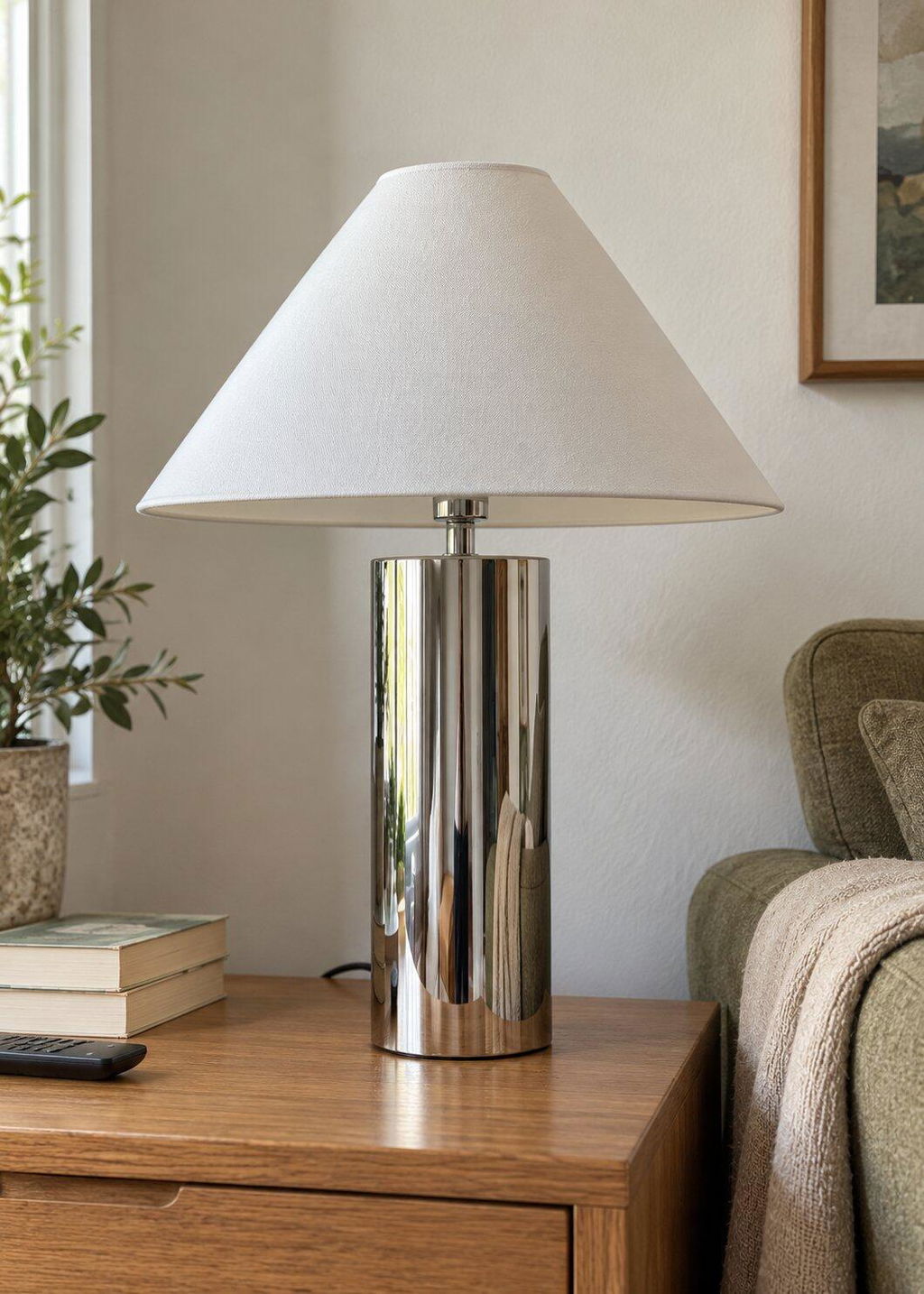
A wooden bedside lamp is the quiet workhorse of the scheme. The Rinkaku wooden table lamp, short, pairs a turned walnut base with a soft oatmeal drum shade, throwing a warm, contained pool of light that suits winding down far better than a cool white ceiling fitting. For a lighter, more sculptural bedside object, the Hikari glass table lamp is a low mushroom form in frosted and clear glass that glows warmly when lit and reads as an ornament when off.

Choosing the right bedside lamp is partly about height and partly about the warmth of the bulb; the buying notes on our table lamps collection cover both. Daylight matters as much as artificial light in a calm bedroom, so keep window treatments simple and unfussy and never block it fully.
One considered object, not many
Once the bones of the room are settled, the temptation is to decorate. Japandi resists this. Instead of a shelf of ornaments, choose one or two objects that hold their own and leave the rest of the surface clear. A single hand-thrown vase on a chest of drawers does more for the room than a cluster of small pieces competing for attention.
The Sora pleated ceramic vase, in deep indigo, is a good example of an object that earns its solitude: a sculptural, folded form that reads as quiet art whether or not anything sits in it. A full-length mirror is the other piece worth its footprint, both practically and because it bounces daylight around the room. The Mizu floor-standing mirror keeps its brushed steel frame slim and almost frameless, so it adds light and function without visual noise. If you want a place to hang a robe or a bag without a bulky stand, a slim wall piece like the Walnut Hook Rail keeps the floor clear, which is the whole point.
The same discipline runs through every Japandi room. If you are applying the style elsewhere in the home, the Japandi kitchen ideas guide shows how the palette and the one-considered-object rule translate to a very different space.
A few practical basics hold whatever the style. Centre the bed on the longest wall where you can, with equal space either side. Bedside tables should sit roughly level with the top of the mattress. For reading, the bottom of the lampshade wants to be at about eye level when you are propped against the pillows, so the bulb stays out of sight. Keep every bulb below 3000K. And if there is a rug, let it extend at least 60cm beyond each side of the bed so your feet land on it in the morning.
Keeping it calm over time
A Japandi bedroom is easy to create and easy to lose. The single habit that keeps it is clearing surfaces: the bedside table, the chest of drawers, the windowsill. Clutter is the one thing the style cannot absorb, because the empty space is doing as much work as the furniture. Buy slowly, choose natural materials, keep the palette narrow, and let a small number of well-made pieces carry the room. That is the whole of it.
Shop the look


Browse the full range of table lamps for more bedside options, or explore our ceramic vases and textured cushion covers to layer in the natural materials that define the style.
Frequently asked questions
What is a Japandi bedroom?
A Japandi bedroom blends Japanese minimalism with Scandinavian warmth. It is a calm, uncluttered space built from natural materials, with low furniture, a narrow neutral palette and soft layered lighting, designed to feel restful and considered rather than sparse or cold.
What colours work in a Japandi bedroom?
Start with soft whites, warm beiges and sandy taupes as the base, then layer in muted earth tones such as rich brown, greyed green and soft clay. Use deep charcoal or near-black sparingly to anchor the scheme, and keep the darker tones in small, deliberate doses.
How do you make a bedroom feel Japandi?
Clear the clutter, keep the furniture low and few, and choose natural materials such as wood, linen, rattan and stone. Light the room in warm, low layers rather than one bright overhead fitting, and finish with one or two considered objects instead of many small pieces.
What furniture suits a Japandi bedroom?
Low, understated pieces work best: a low bed, a slim bedside table, a floor-level lounge chair such as the Yawara or a woven cane chair, and a single full-length mirror. Keep sightlines low and leave plenty of clear surface and floor around each piece.
Is Japandi still in style in 2026?
Yes. Japandi has settled from a passing trend into a lasting approach, and its 2026 direction leans slightly moodier, with deeper earth tones and darker timber. The core principles of natural materials, calm palettes and uncluttered space remain unchanged.