
A sofa is the most expensive, most used, and most visually dominant piece of furniture in most living rooms. It is also the piece people get wrong most often, usually because they choose based on how the sofa looks in a showroom rather than how it will live in their home. A sofa that photographs well but sits badly, or fits perfectly in a 200-square-metre shop floor but overwhelms a 14-square-metre living room, is a sofa that will disappoint you for years.
Knowing how to choose a sofa means understanding a few things that showrooms and product photos cannot tell you: how the dimensions relate to your specific room, how the fabric will perform under daily use, how the seat depth affects comfort over hours rather than minutes, and how the sofa's height and form interact with the rest of your furniture.
This guide covers each of those decisions in order, from the measurements that matter most to the fabric and frame choices that determine whether a sofa lasts three years or fifteen.
Size: Measure the Room, Not the Sofa
The first question is not "what size sofa do I want?" It is "what size sofa does my room allow?" These are different questions with different answers.
Measure the wall the sofa will sit against. Then subtract 20cm to 30cm from each end. The remaining length is the maximum sofa width that will look proportionate. A sofa that fills the entire wall with no space at either end looks crammed in, even if it technically fits. A sofa with 25cm of breathing room on each side looks deliberate.
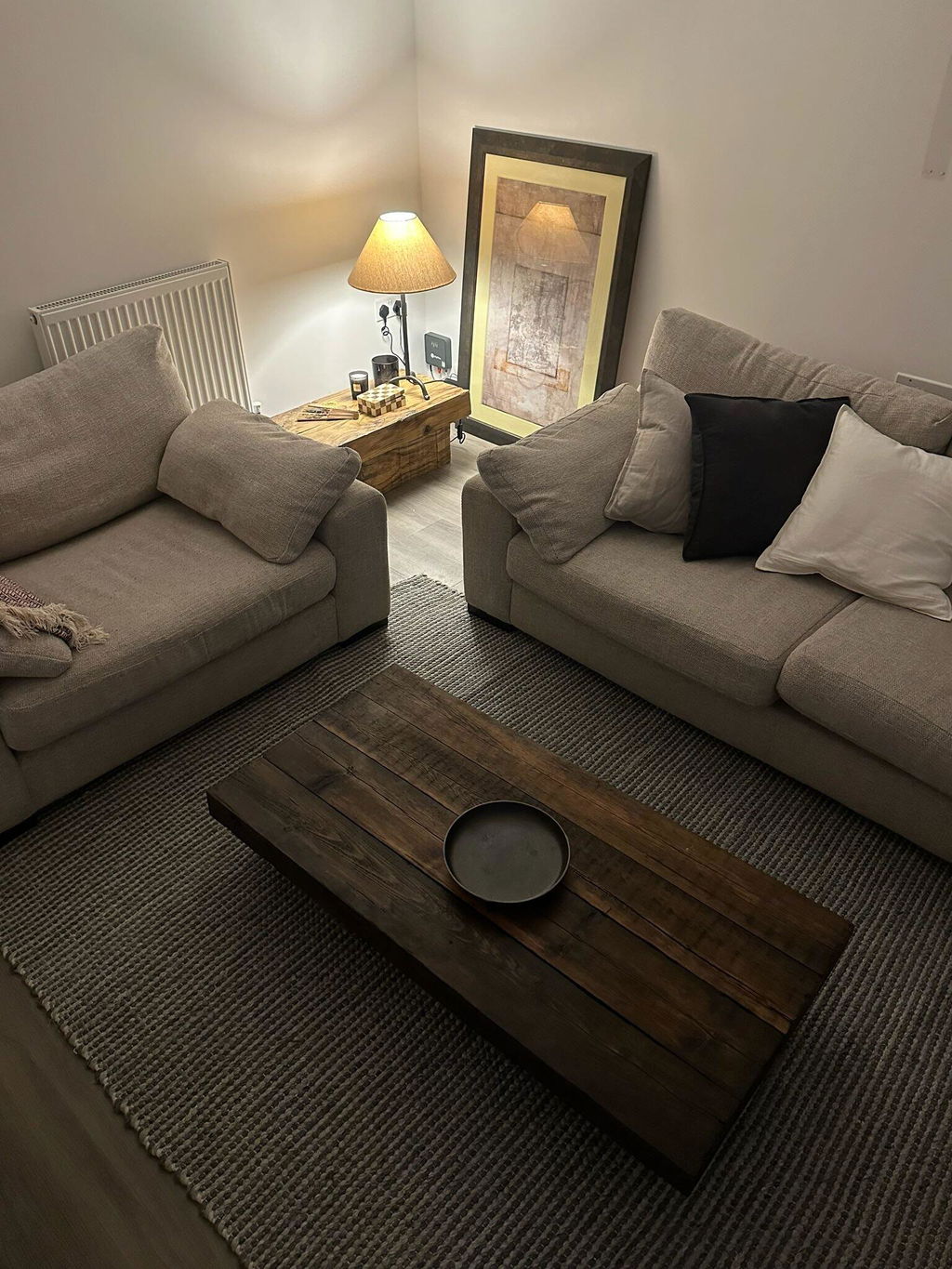
Measure the distance from the sofa wall to the opposite wall or the nearest piece of furniture. Subtract the sofa's depth (typically 85cm to 100cm) and the depth of your coffee table (if you have one). The remaining space is your walkway. If it is less than 70cm, something needs to change: a smaller sofa, a smaller coffee table, or no coffee table at all.
For small living rooms (under 15 square metres), a single-seater sofa often works better than a two-seater. The Wabi Linen Sofa Single at W110cm provides generous, deep seating without the width of a two-seater dominating the room. Paired with an accent chair, this creates a more flexible and better-proportioned seating arrangement than one large sofa.
For medium to large rooms (15 to 25 square metres), a two-seater is the standard choice. The Wabi Linen Sofa Two Seater at W180cm seats two comfortably and allows room for the surrounding furniture to breathe.

Seat Depth: The Comfort Factor Nobody Checks
People test sofas in showrooms by sitting on them for 30 seconds. But you will sit on your sofa for hours at a time, and what feels fine for 30 seconds can feel wrong after 30 minutes. Seat depth is usually the culprit.
Shallow seat (under 55cm): Your feet reach the floor easily, your back contacts the backrest, and you sit upright. Good for formal rooms, dining benches, and people who prefer to sit rather than lounge. Less comfortable for long film evenings or reading sessions.
Standard seat (55cm to 65cm): A balance between upright and reclined. Most sofas fall in this range. Your back reaches the backrest, your feet touch the floor, and you can shift between sitting and slouching without the sofa fighting you.
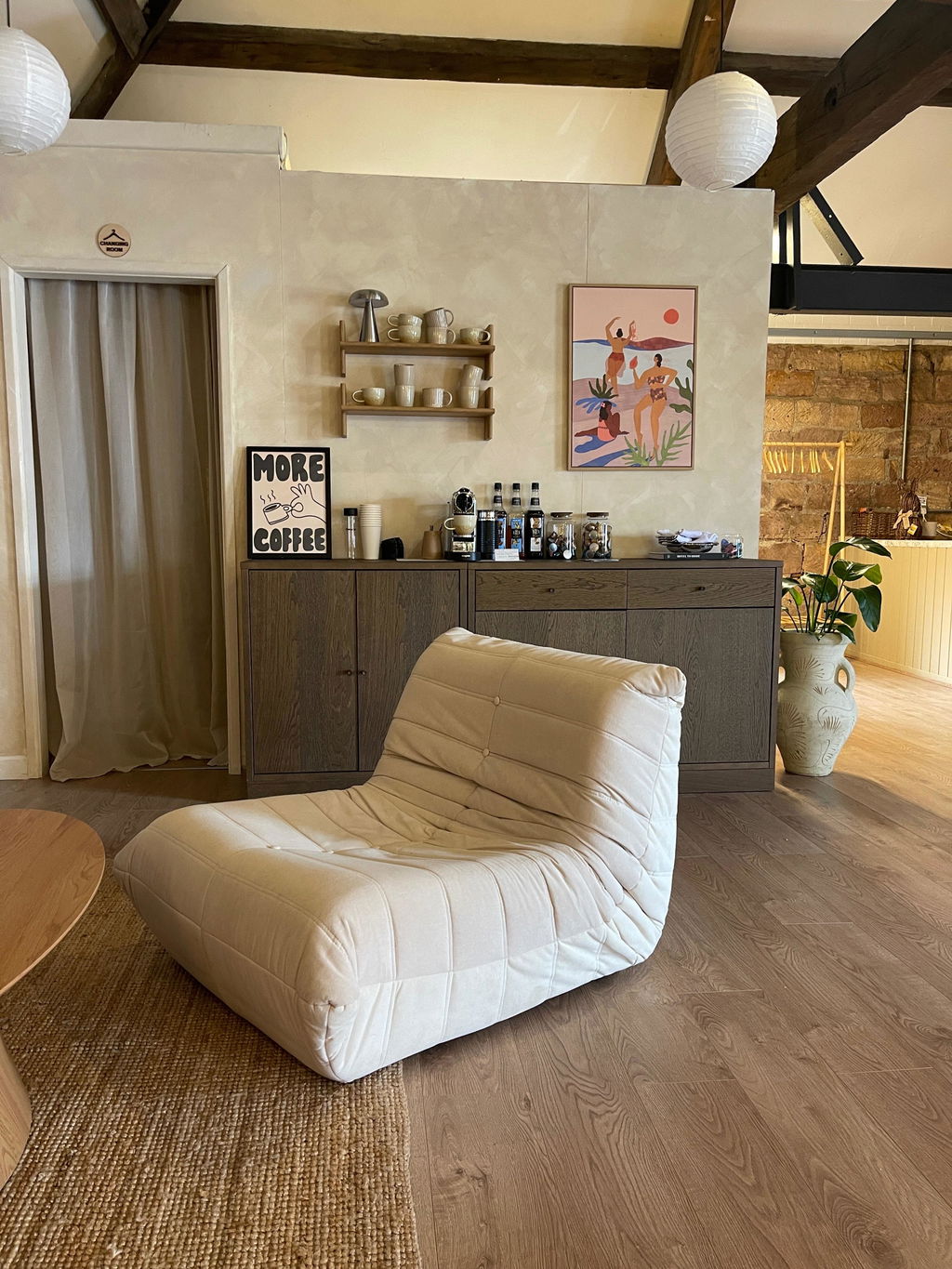
Deep seat (65cm+): You sit further back, your legs extend, and the sofa encourages a more reclined posture. Deep-seated sofas are exceptional for lounging but can feel uncomfortable for shorter people whose feet leave the floor when they sit fully back. The Brown Lounge Chair range leans into this deeper, more relaxed seating position, which suits rooms where the sofa is primarily for unwinding rather than entertaining.
The test: sit on the sofa with your back against the backrest. If your feet cannot reach the floor comfortably, the seat is too deep for you. If your knees are significantly higher than your hips, the seat is too low. Both issues cause discomfort within an hour.
Seat Height: Lower Is Not Always Better
Seat height affects both comfort and the visual feel of the room. A lower sofa (under 40cm seat height) creates a grounded, relaxed atmosphere that suits Japandi and Scandinavian interiors. A standard-height sofa (42cm to 48cm) is easier to sit down on and stand up from, which matters if mobility is a consideration.
The Wabi Linen Sofa at 82cm total height has a seat that sits lower than most high-street sofas. This is a deliberate design choice: the lower profile keeps sightlines open across the room, makes the sofa appear less bulky, and creates the grounded feeling that Japandi rooms depend on. But it also means the sofa pairs best with other low-profile furniture. A standard-height coffee table (45cm+) beside a low sofa looks mismatched. A rattan coffee table at a lower profile sits in proportion.
If you have a mix of furniture heights in the room, a standard-height sofa (total height 85cm to 90cm) is the safer choice. The Brown Double Sofa Chair at 75cm total height offers a middle ground: lower than a traditional sofa but not as floor-hugging as the Wabi.


Fabric: What Your Life Demands
The fabric decision is not primarily aesthetic. It is practical. The most beautiful fabric in the world is the wrong choice if it cannot handle the way you actually live.
Linen is the choice for rooms where texture and natural beauty matter and where the patina of daily use is welcome rather than worrying. Linen softens with age, develops a gentle creased character, and breathes well (important in warm rooms). It is not stain-proof, but it is washable, and the slightly rumpled look it develops over time is part of its appeal. The Wabi Linen Sofa in Stone demonstrates this well: the stone tone hides minor marks better than white, and the linen texture improves with use. Read more about styling and maintaining a linen sofa.
Faux suede is the practical choice for households with children, pets, or a low tolerance for maintenance anxiety. It is water-resistant, stain-resistant, washable, and resistant to bobbling. The texture is soft and warm without being delicate. The Sofuto Accent Chair uses faux suede for exactly these reasons: it is designed to be sat on daily, by anyone, without worry.
Leather and faux leather are the most durable options for high-traffic rooms. Real leather develops a patina with age and is easy to wipe clean. Faux leather offers similar durability at a lower price point but does not age as gracefully and can feel hot in warm weather. The Brown Sofa range uses a leather-look material that suits rooms where durability and a mid-century feel take priority.
Velvet and bouclé are textural choices that add richness but require more care. Velvet shows marks from pressure and handling (the nap shifts direction), which some people find characterful and others find irritating. Bouclé is more forgiving but tends to snag on pet claws and rough clothing. Both fabrics are better suited to accent chairs and bedrooms than to the household's primary sofa.

Frame and Construction
You cannot see the frame, but it determines how long the sofa lasts. The difference between a sofa that holds its shape for ten years and one that sags after two is almost entirely structural.
Hardwood frames (beech, birch, oak) are the most durable. They resist warping, hold joints firmly, and provide a solid foundation for the cushions. Cheaper frames use softwood (pine) or engineered board, which is lighter and less expensive but more prone to loosening at the joints over time.
Suspension matters for seat comfort. Sinuous springs (S-springs) are the most common and provide a firm, supportive base. Webbing (elastic or jute straps) is lighter and less expensive but can stretch over time, causing the seat to sag in the middle. If you can, ask what suspension the sofa uses before buying. Sinuous springs are the minimum for a sofa expected to last more than five years.
Cushion fill determines how the sofa feels day to day. Foam-core cushions hold their shape and provide consistent support but can feel firm. Feather-wrapped cushions are softer and more luxurious but require regular plumping to maintain their shape. A foam core wrapped in a feather or fibre layer offers the best of both: the structure of foam with the softness of feather on the surface.

Colour: Safer Than You Think
The safest sofa colour is not grey, beige, or cream. It is the colour that matches the life the sofa will lead.
In a household with young children, a stone or mid-tone fabric hides marks far better than white or pale cream. The Wabi Linen Sofa in Stone sits in this practical middle ground: light enough to feel calm and neutral, dark enough that a spill does not cause panic.
In an adults-only household, white or milk-white linen is a realistic choice, especially if the covers are removable and washable. The Wabi in Milk White has removable covers for exactly this reason. It looks pristine when clean and washes back to that state when it does not.
Brown and cognac tones are having a strong moment and for good reason: they are warm, they hide wear, and they connect to the natural material palette that defines current interior trends. The Brown Double Lounge Chair in a rich brown tone adds depth and warmth to a neutral room without the maintenance concerns of lighter fabrics.

The Sofa in Context
A sofa does not exist alone. It sits within a composition of other furniture, lighting, and decor, and the best sofa choice is one that considers these relationships.
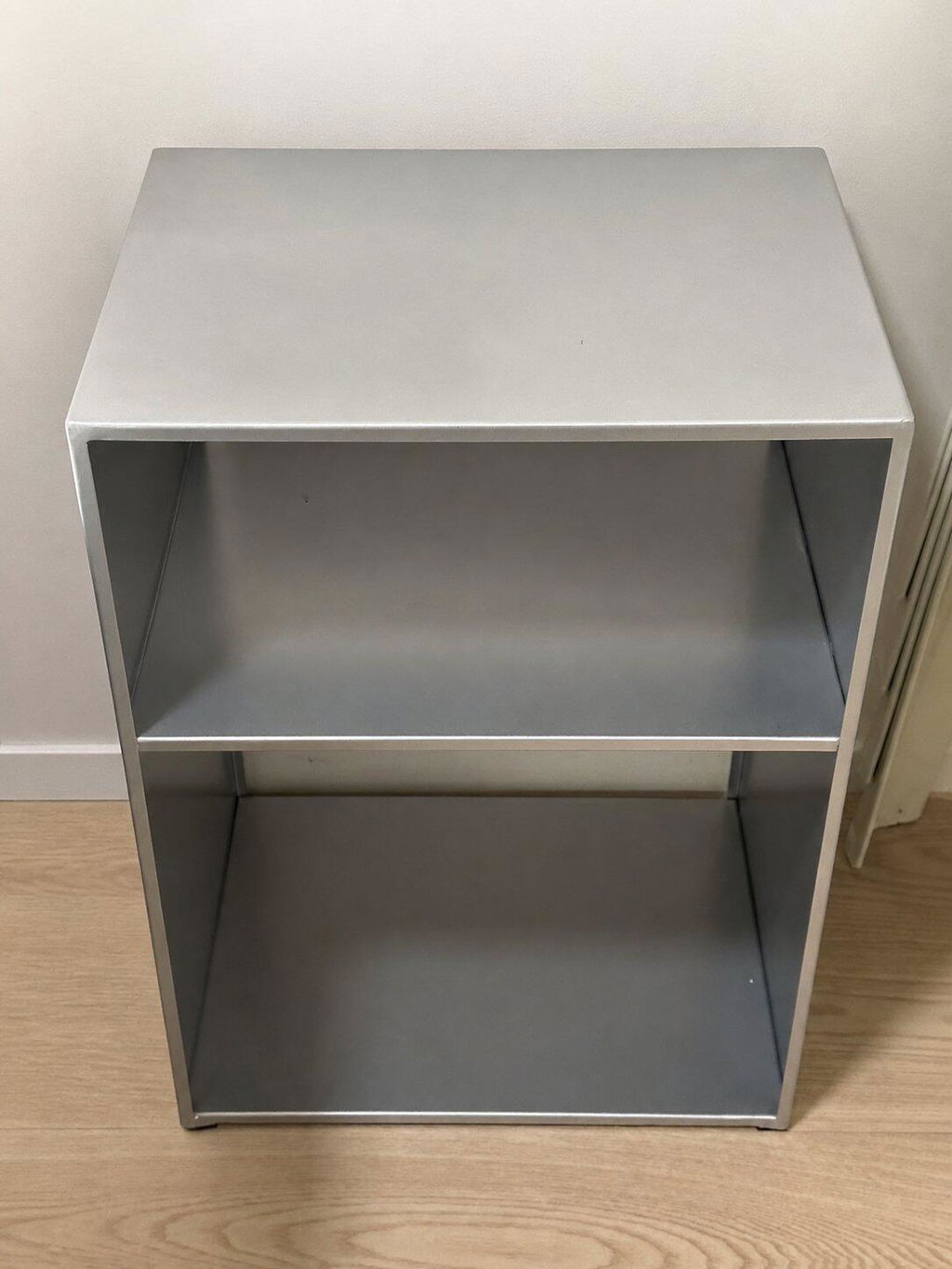
A linen sofa beside a stainless steel side table creates material contrast: the softness of the linen against the precision of the steel. This is more interesting than matching everything in the same tonal family. A Chrome Column Floor Lamp beside a linen sofa extends the warm-and-cool dialogue through the lighting layer.
Consider what sits opposite the sofa as well. An accent chair in a different material (faux suede Sofuto opposite a linen Wabi, for example) creates a seating arrangement with variety and character. Two identical sofas facing each other works in formal rooms but feels static in casual living spaces. One sofa and one accent chair, at slightly different heights and in slightly different materials, is more dynamic and more inviting.

Common Mistakes
Buying the biggest sofa the room can fit. A sofa that fills the room leaves no space for anything else. The sofa should take up roughly a third to a half of the main wall, not all of it. The space around the sofa is what makes it look considered rather than crammed in.
Choosing fabric for the showroom, not for your life. White velvet looks stunning in a product photo. It looks less stunning after six months with children, pets, or regular use. Choose the fabric that matches your actual household, not your aspirational one.
Ignoring the sofa's relationship with natural light. A sofa positioned with its back to the window blocks natural light from reaching the rest of the room. If the window is on the sofa wall, sit beside it rather than in front of it. Light that washes across the room over the sofa is lost if the sofa's backrest intercepts it.
Not sitting on it long enough. Thirty seconds in a showroom tells you nothing. Sit for five minutes. Shift positions. Lie down if you can. The comfort issues that matter (seat too deep, backrest too upright, cushions too firm) reveal themselves after the first minute, not the first moment.
Frequently Asked Questions
What size sofa do I need for my living room?
Measure the wall the sofa will sit against and subtract 40cm to 60cm total (20cm to 30cm clearance on each side). This gives the maximum sofa width that will look proportionate. For rooms under 15 square metres, a single-seater (around 110cm) often works better than a two-seater. For rooms of 15 to 25 square metres, a two-seater (160cm to 190cm) is standard. Always ensure at least 70cm of walkway space between the sofa and facing furniture.
Is linen a good fabric for a sofa?
Yes, if you value natural texture and accept that linen develops a lived-in character over time. It softens with use, breathes well, and is washable (especially with removable covers). It is not stain-proof, but mid-tone colours like stone hide marks well. Linen suits households that appreciate patina rather than pristine surfaces.
How long should a sofa last?
A well-made sofa with a hardwood frame and quality cushion fill should last 10 to 15 years with daily use. The frame rarely fails first. Usually it is the cushion fill that loses resilience (foam compresses) or the fabric that shows wear. Removable, washable covers extend the sofa's visual lifespan significantly because the fabric can be refreshed even as the frame ages.
Should I buy a sofa online without sitting on it?
You can, but pay close attention to seat depth, seat height, and cushion fill. These determine comfort more than any photo can show. Read the dimensions carefully and compare them to a sofa you already know is comfortable. A sofa with a generous return policy reduces the risk. The Wabi Linen Sofa's dimensions (depth, height, width) are published on the product page for exactly this purpose.
What sofa works in a Japandi living room?
Low-profile, natural fabric, clean lines. The sofa should sit at or below 85cm total height, use a natural textile (linen or cotton), and have no visible branding or unnecessary ornamentation. The form should be simple enough that the material does the talking. Pair with low-profile coffee tables and side tables to maintain the grounded, calm atmosphere the style depends on.
Shop Sofas and Seating
Explore the full range of sofas, accent chairs, and lounge seating at fjordandfuji.com.
Linen Sofas | Wabi Linen Sofa | Sofuto Accent Chair | Brown Double Sofa | Lounge Chairs | Shop All Furniture